Easy Install Split Seal: When It Cuts Downtime Best
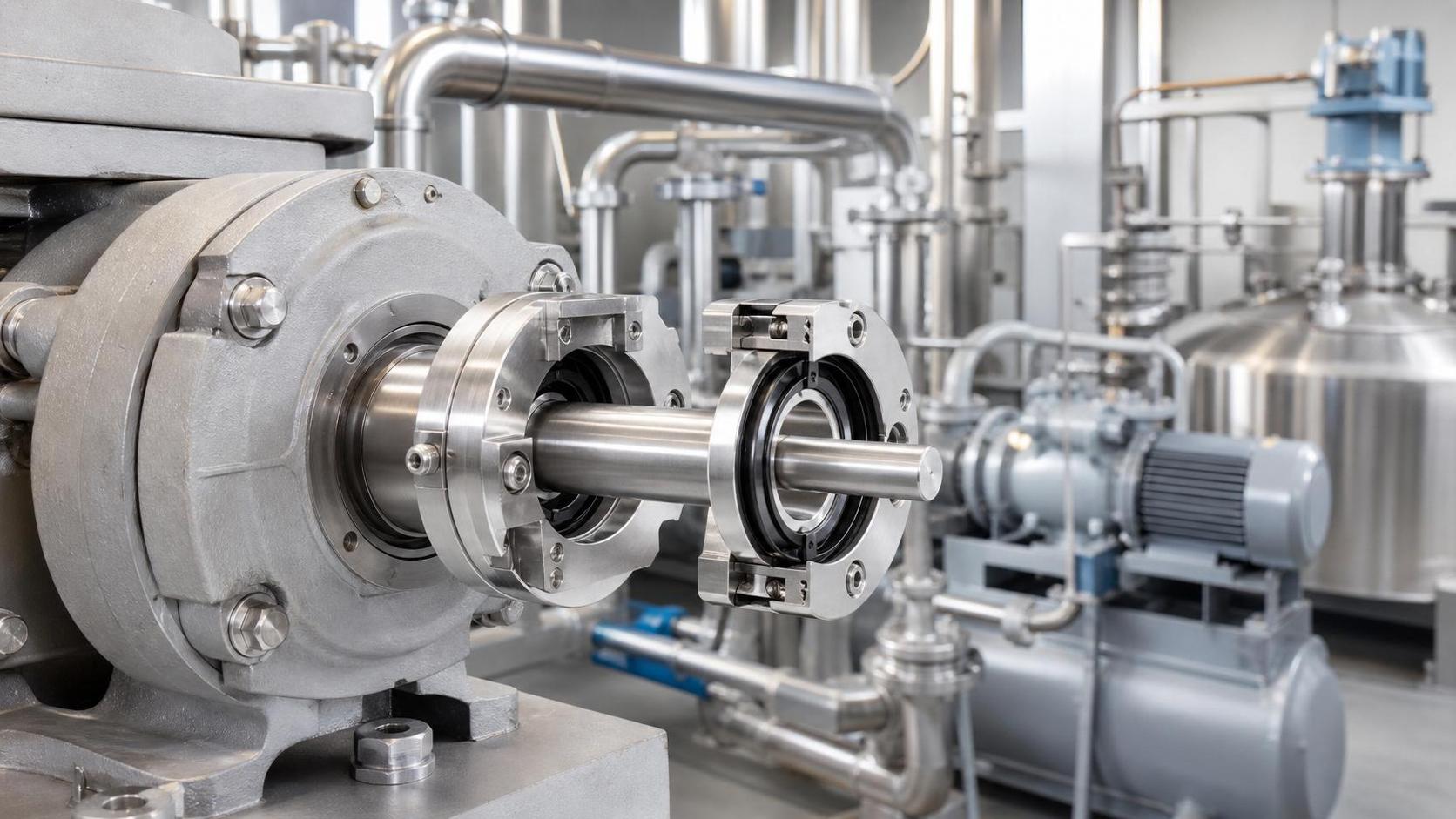
Easy Install Split Seal: When It Cuts Downtime Best
For aftermarket maintenance teams, an easy install split seal can decide whether a shutdown stays short or expands into a costly event.
When uptime, safety, and fit accuracy matter together, replacement speed alone is not enough.
The real value of an easy install split seal appears when it reduces labor time without weakening containment, alignment, or service life.
That matters across pumps, mixers, compressors, agitators, and rotating assets where disassembly is expensive or difficult.
In practical maintenance work, the best choice depends on shaft condition, access limits, leakage risk, and restart urgency.
This guide explains when an easy install split seal delivers the strongest operational advantage and what to check before installation.
Why an Easy Install Split Seal Matters in Real Maintenance Windows
A conventional seal change often requires removing couplings, bearings, or even the driver.
That process adds isolation steps, alignment work, crane time, and more chances for secondary errors.
An easy install split seal avoids much of that because it can be assembled around the shaft.
This changes the maintenance equation.
Instead of planning a large teardown, the team can focus on safe access, surface inspection, accurate fit, and fast restart.
From a downtime perspective, that is often where the savings come from.
- Less shaft-side disassembly
- Lower labor hours during shutdown
- Reduced alignment disturbance
- Faster return to production
- Lower exposure to installation-related damage
More importantly, an easy install split seal supports better planning when shutdown windows are fixed and cannot expand.
That is common in process plants, utilities, packaged systems, and OEM service contracts with strict uptime commitments.
When an Easy Install Split Seal Delivers the Most Value
Not every application needs a split design.
The biggest return appears in situations where removal of surrounding equipment drives most of the outage cost.
1. Hard-to-reach rotating equipment
An easy install split seal works well when the shaft is buried inside a tight machine layout.
Pumps near walls, skids with crowded pipework, and compact mixer assemblies are typical examples.
In these cases, avoiding full equipment separation saves both time and lifting risk.
2. Emergency leak response
When leakage forces a quick intervention, speed matters, but not at the expense of containment quality.
An easy install split seal can shorten the path from isolation to restart, especially when spare parts are already staged.
This is especially useful in plants where every extra hour affects upstream and downstream units.
3. Scheduled outages with limited labor availability
Short shutdowns often involve too many tasks competing for too few technicians.
Here, an easy install split seal helps compress labor demand and reduce job overlap across trades.
That can be the difference between finishing on schedule and carrying delay costs into startup.
4. Older assets with high disassembly risk
Legacy equipment creates its own problems.
Corroded fasteners, worn fits, and uncertain alignment history can turn a simple seal replacement into a broader repair.
An easy install split seal reduces how much of that aging assembly must be disturbed.
What to Evaluate Before Choosing an Easy Install Split Seal
A fast install only helps if the seal matches the operating reality.
Before selecting an easy install split seal, review the application in detail.
Shaft condition
Check for wear tracks, runout, scoring, corrosion, and sleeve damage.
A split seal installed on a poor shaft surface may fail early, regardless of installation speed.
Media and temperature
Chemical compatibility still governs service life.
Seal materials must match fluid chemistry, solids content, temperature range, and pressure fluctuations.
This is where many rushed replacements go wrong.
Equipment movement
Axial movement, vibration, and misalignment should be measured, not guessed.
An easy install split seal is not a cure for unstable machine behavior.
Assembly precision
Split designs rely on correct joint closure and proper compression.
If tolerances are loose or installation instructions are skipped, leakage risk rises quickly.
Compliance and process risk
Critical services may require verification against ISO, API, SEMI, or site-specific specifications.
Where emissions, contamination, or hazardous media are involved, the decision should be especially disciplined.
Installation Checks That Protect the Downtime Savings
The point of an easy install split seal is not just quick assembly.
The point is quick assembly that holds through startup and normal operation.
A disciplined install process protects that outcome.
- Verify shaft dimensions, surface finish, and runout before unpacking all components.
- Clean the seal chamber and remove old residue, debris, and burrs.
- Inspect split faces carefully for nicks, distortion, or handling damage.
- Follow the recommended joint orientation and fastener sequence.
- Apply compression evenly and confirm setting dimensions with the proper tools.
- Check flush, vent, and barrier arrangements before restart.
- Monitor leakage and temperature closely during the first operating cycle.
These steps sound basic, but they often decide whether the easy install split seal truly cuts downtime or only delays a second shutdown.
Common Mistakes That Reduce Split Seal Performance
In recent field practice, most failures are not caused by the split concept itself.
They come from poor selection, rushed fitting, or ignoring machine condition.
- Using an easy install split seal where shaft instability is already severe
- Choosing materials without checking chemical compatibility
- Skipping dimensional inspection during emergency repairs
- Overtightening fasteners at split joints
- Assuming all split seals perform the same in abrasive or hot service
- Restarting equipment without checking support systems and seal environment
The clearer signal is this: a split seal saves time best when it is treated as an engineered replacement, not a convenience item.
How to Decide Between a Split Seal and a Conventional Seal
A simple comparison helps clarify the decision.
If the main cost driver is teardown time, an easy install split seal usually has the edge.
If the equipment is already fully dismantled, the comparison may shift.
Final Take: Use the Easy Install Split Seal Where Access and Time Are the Real Constraints
An easy install split seal delivers its best value when downtime is expensive, access is limited, and full disassembly creates extra risk.
That includes emergency leak response, short planned outages, crowded equipment layouts, and aging assets with fragile assembly conditions.
Still, speed should never replace evaluation.
The right approach is to match the easy install split seal to shaft condition, media compatibility, movement limits, and required containment performance.
When those checks are done well, the easy install split seal becomes a practical downtime reduction tool, not just a faster part swap.
For maintenance planning, that is the decision that protects both uptime and reliability over the next service cycle.
Industry Briefing
Get the top 5 industry headlines delivered to your inbox every morning.