What Drives Cartridge Seal Price in Industrial Projects?
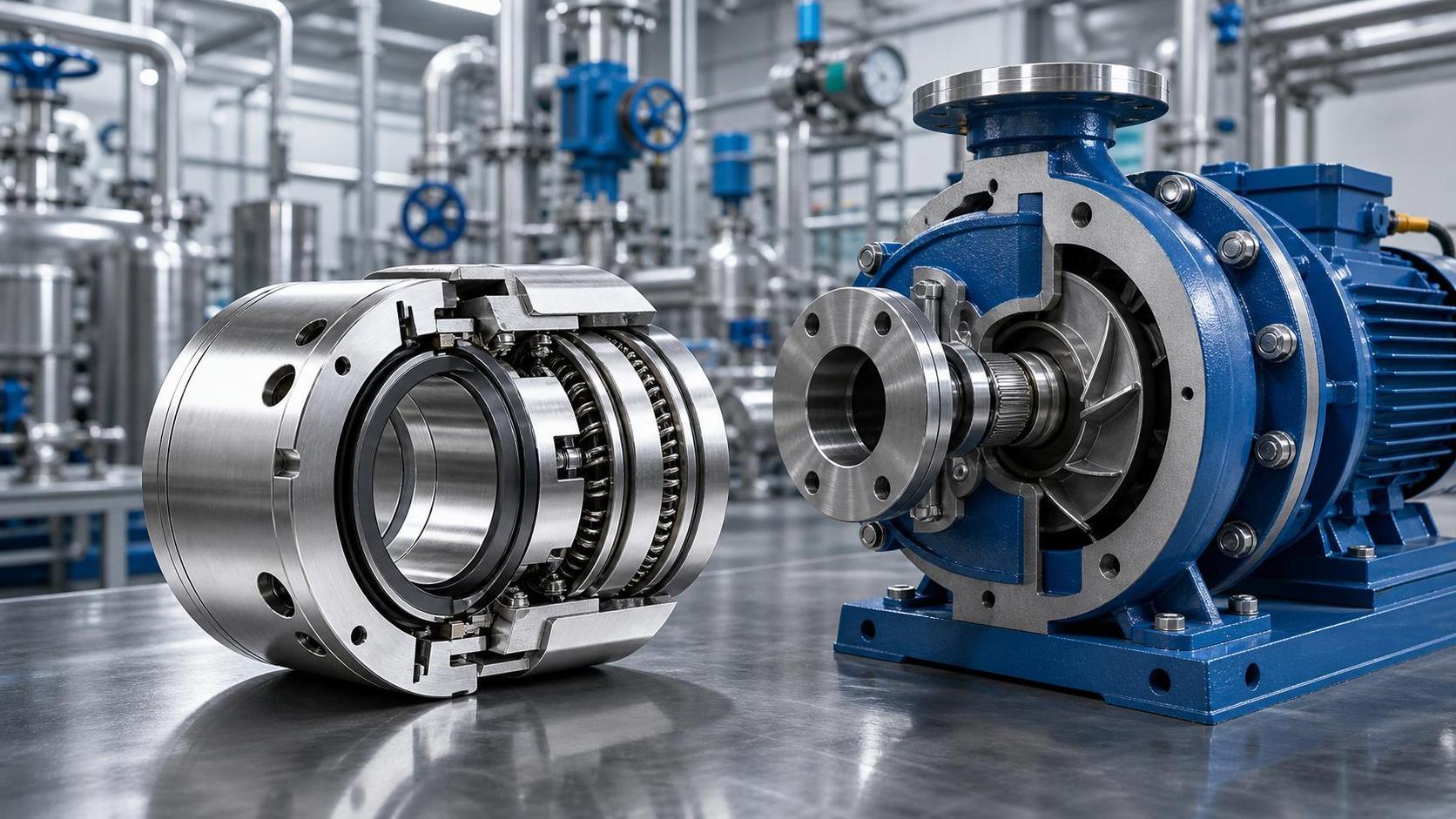
What Drives Cartridge Seal Price in Industrial Projects?
For industrial projects, cartridge seal price is rarely defined by a single quote.
It reflects material compatibility, pressure, temperature, compliance, and supplier capability across the full operating lifecycle.
That matters because a low initial price can become an expensive decision after failures, downtime, or replacement labor.
In real procurement work, the better question is not only “What is the cartridge seal price?”
It is also “What is included, what is excluded, and what risk is being transferred?”
Once that shift happens, price comparison becomes more accurate and supplier evaluation becomes more practical.
This article breaks down the main cost drivers behind cartridge seal price and shows how to buy with better control.
Why Cartridge Seal Price Varies So Much
Two cartridge seals can look similar on paper and still carry very different pricing.
The reason is simple.
Industrial sealing performance depends on precise matching between the seal design and the operating environment.
A standard water service pump seal does not face the same demands as a chemical transfer unit or hot hydrocarbon system.
That also means cartridge seal price changes with engineering complexity, service life expectations, and quality assurance depth.
From recent sourcing trends, the wider gap often comes from hidden technical details rather than visible hardware differences.
More clearly, buyers are paying for fit, reliability, and failure prevention as much as for the physical product itself.
Material Selection Is One of the Biggest Price Drivers
Material choice is usually the first major factor behind cartridge seal price.
Seal faces, secondary seals, springs, and metal parts all affect cost.
For example, carbon versus silicon carbide creates a noticeable price difference.
FFKM, Viton, EPDM, and PTFE components also shift cartridge seal price depending on chemical resistance requirements.
Corrosion-resistant alloys can increase cost further in aggressive media or offshore environments.
The practical issue is that cheaper materials may pass basic operation but fail under real process fluctuations.
That is where cartridge seal price and lifecycle cost begin to separate.
- Carbon faces often lower initial cartridge seal price.
- Silicon carbide improves wear resistance in abrasive or demanding duty.
- FFKM raises cartridge seal price but supports harsh chemical exposure.
- Exotic alloys help where corrosion risk would otherwise shorten service life.
Operating Conditions Shape the Real Cost
Pressure, temperature, shaft speed, and media characteristics have direct impact on cartridge seal price.
Higher pressure systems usually need stronger face combinations and more robust mechanical arrangements.
High temperature service may require upgraded elastomers, cooling plans, or special metallurgy.
Abrasive slurry, crystallizing fluids, or poor lubrication conditions often push buyers toward more advanced seal configurations.
In those cases, cartridge seal price reflects performance margin as much as product specification.
This also explains why the same nominal seal size can have very different quotations between applications.
When operating data is incomplete, suppliers often price in uncertainty, which increases the final cartridge seal price.
Seal Design Complexity Changes the Quote
Design architecture has a major effect on cartridge seal price.
Single cartridge seals usually cost less than dual or tandem arrangements.
Balanced designs, split seals, and engineered API configurations typically cost more.
The reason is not only added parts.
It also includes tighter tolerances, more complex assembly, and deeper validation requirements.
A dual seal supporting barrier fluid systems will naturally raise cartridge seal price compared with a standard single seal.
Still, the higher quote may be justified where leakage control, environmental compliance, or uptime protection matters most.
Standards, Testing, and Documentation Add Cost
Another overlooked factor behind cartridge seal price is compliance.
Projects aligned with API, ISO, SEMI, or customer-specific technical standards usually demand more documentation and validation.
Material traceability, pressure testing, dimensional inspection, and performance records all add time and cost.
For critical systems, that extra cost is not administrative overhead.
It is part of reliability assurance.
More importantly, certified or fully documented products are easier to approve internally and defend during audits.
So when cartridge seal price looks higher from one supplier, the missing question is whether the package includes the required proof.
Supplier Capability Influences Cartridge Seal Price
Supplier capability changes cartridge seal price more than many teams expect.
A mature manufacturer often charges more because it brings engineering support, process control, and better failure analysis.
That support can reduce errors during selection, installation, and operation.
Lead time reliability also affects total value.
A lower cartridge seal price means less if delivery delays hold up commissioning or maintenance schedules.
This is especially true in projects with shutdown windows, penalty clauses, or limited spare inventory.
In practice, supplier quality consistency often becomes a hidden but decisive part of cartridge seal price.
How to Compare Cartridge Seal Price More Accurately
The most common sourcing mistake is comparing cartridge seal price without normalizing the technical scope.
That leads to misleading savings and weak decisions.
A better evaluation method is to compare suppliers against the same operating data and the same commercial assumptions.
- Confirm media, pressure, temperature, speed, and installation dimensions.
- Request exact material breakdown for faces, elastomers, and metal parts.
- Check whether cartridge seal price includes testing, certificates, and drawings.
- Review expected service life and maintenance intervals.
- Compare lead time, warranty terms, and after-sales engineering support.
- Estimate downtime cost if the seal fails earlier than planned.
Once those points are aligned, cartridge seal price becomes a decision metric instead of a guessing exercise.
Watch the Total Cost, Not Only the Purchase Price
For critical industrial assets, the lowest cartridge seal price is rarely the lowest actual cost.
Replacement labor, process loss, environmental exposure, and unplanned downtime can outweigh the original savings very quickly.
This is where lifecycle costing becomes useful.
Even a higher cartridge seal price can be the better buy if it extends maintenance cycles or prevents production interruptions.
A stronger signal is visible in complex sectors such as chemical processing, energy, and precision manufacturing.
There, reliability is usually purchased upfront because failure is too expensive later.
That does not mean over-specifying every seal.
It means matching cartridge seal price to operational consequence with clear cost logic.
A Practical Buying Approach
A good purchasing decision starts with technical clarity and ends with risk-adjusted cost control.
That is the most reliable way to understand cartridge seal price in industrial projects.
When the quote is reviewed in context, material choice, design complexity, compliance, and supplier strength all become easier to judge.
The outcome is usually better than simple price negotiation.
It creates a sourcing decision that supports uptime, budget discipline, and long-term asset reliability.
For any team evaluating cartridge seal price, the smartest move is to compare total operating value before choosing the lowest number on the page.
Industry Briefing
Get the top 5 industry headlines delivered to your inbox every morning.