Marine Seal Rules: What Environmental Updates Mean
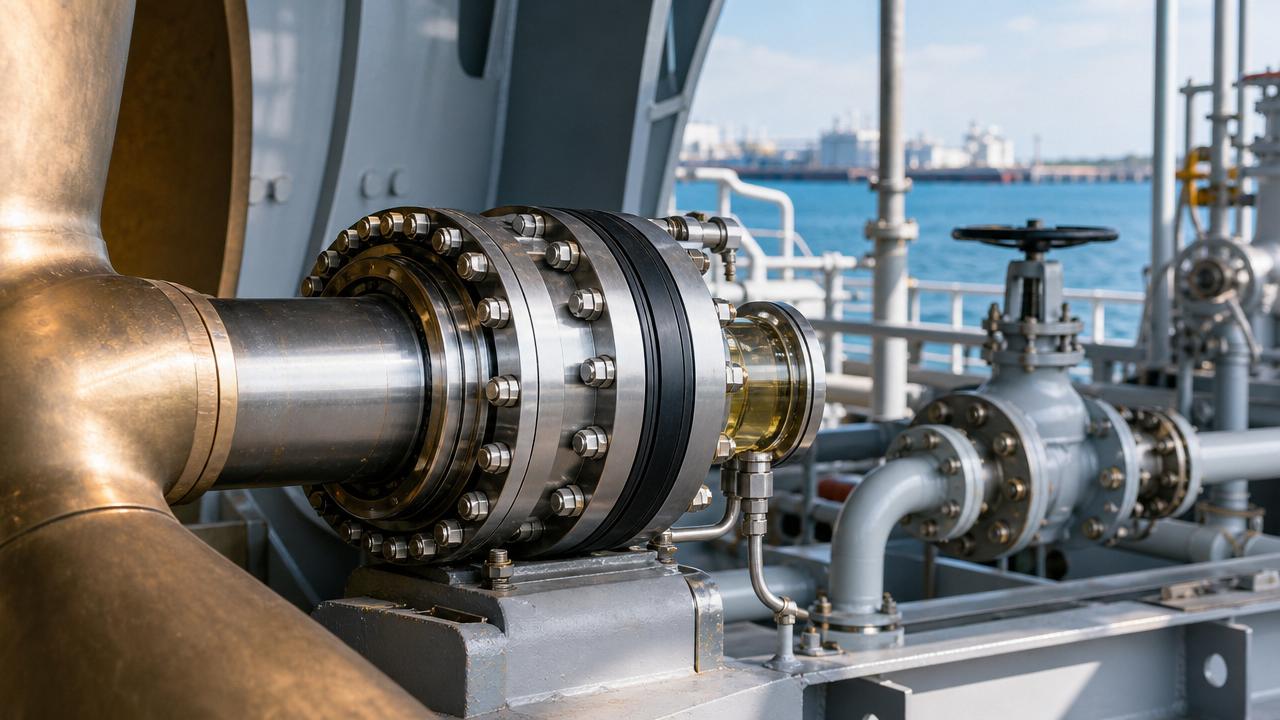
Marine seal environmental regulations are changing quickly across shipping, offshore energy, ports, and marine equipment supply chains. These updates affect how sealing materials are selected, tested, documented, and replaced.
For systems handling fuel, lubricants, chemicals, cooling media, or seawater, compliance is no longer only a legal concern. It now directly shapes leakage risk, service intervals, warranty exposure, and lifecycle cost.
This guide explains what marine seal environmental regulations now mean in practice. It also shows how environmental rules connect with reliability engineering, supplier approval, and long-term containment assurance.
What are the latest marine seal environmental regulations really targeting?
Most recent marine seal environmental regulations focus on pollution prevention, material safety, and operational transparency. Regulators increasingly examine not only visible discharge, but also hidden leakage pathways and maintenance waste.
In practical terms, the priority areas include oil-to-sea leakage, hazardous substance control, lubricant compatibility, waste handling, and evidence of compliant material selection.
This shift matters because a seal is not judged only by whether it fits. It is judged by whether it maintains containment under pressure, temperature cycling, vibration, salinity, and changing environmental obligations.
Key regulatory drivers behind the updates
- Stricter discharge expectations in marine and offshore environments
- Tighter restrictions on hazardous substances in polymers and additives
- More attention to biodegradable and environmentally acceptable lubricants
- Greater traceability across material sourcing and maintenance records
- Broader alignment with ISO, API, and vessel inspection requirements
For many systems, marine seal environmental regulations now push teams to validate the full sealing interface. That includes elastomers, fillers, spring metals, coatings, lubrication chemistry, and installation conditions.
Why do these environmental updates matter for seal material selection?
Material choice is becoming the center of compliance review. A seal compound that once passed functional testing may now fail environmental review because of additive content, swelling behavior, or poor compatibility with approved lubricants.
Marine seal environmental regulations encourage a more disciplined selection process. Instead of choosing only by temperature and pressure, teams must also assess regulatory fit and environmental failure consequences.
Material questions that now matter more
- Does the elastomer resist approved bio-based or low-toxicity lubricants?
- Will chemical exposure accelerate hardening, cracking, or compression set?
- Are fillers, plasticizers, or processing aids restricted in target markets?
- Can the material maintain sealing at long idle periods and restart cycles?
- Is there traceable documentation for formulation consistency?
High-performance compounds such as FKM, HNBR, PTFE blends, and FFKM may still be suitable. However, marine seal environmental regulations increasingly require proof, not assumptions, about their environmental and operational behavior.
This is especially important in critical rotating equipment, propulsion support systems, deck machinery, pumps, valves, and offshore transfer assemblies where micro-leakage can become a reportable event.
Which applications are most affected by marine seal environmental regulations?
Not every seal sees the same compliance pressure. The strongest impact appears where fluids can reach seawater, where inspection frequency is increasing, or where maintenance records are routinely audited.
Applications with higher regulatory sensitivity
- Stern tube and propulsion-related sealing systems
- Offshore pumps, valves, and transfer skids
- Hydraulic systems near splash zones or deck drains
- Fuel handling and bunkering support equipment
- Cooling, ballast-adjacent, and seawater service systems
Marine seal environmental regulations also affect upstream design decisions. Compact systems with higher cycling rates may demand tighter surface finish control, better shaft alignment, and cleaner assembly practices.
In other words, environmental compliance is no longer separate from engineering quality. Seal failure analysis now often links material chemistry, hardware geometry, and maintenance behavior into one compliance story.
How should compliance and reliability be evaluated together?
A common mistake is treating marine seal environmental regulations as a paperwork exercise. Documentation matters, but a compliant certificate does not guarantee reliable sealing under real marine loads.
The stronger approach is dual validation. One side verifies regulatory conformity. The other verifies functional endurance in the actual pressure, media, motion, and thermal profile.
A practical review framework
- Map each seal to fluid type, exposure route, and failure consequence.
- Confirm material declarations and restricted substance status.
- Review compatibility with environmentally acceptable lubricants.
- Check pressure, shaft speed, temperature, and cycling margins.
- Require traceable test data, not only catalog claims.
- Evaluate field replacement intervals and disposal handling.
For advanced containment systems, this combined method reduces the gap between compliance intent and operating reality. It also supports stronger root-cause investigation when leakage occurs despite nominal approval.
What are the biggest risks and misconceptions during implementation?
The biggest risk is assuming that any “green” or “approved” seal material will perform equally well. Marine seal environmental regulations do not remove the need for tribology, chemistry, and hardware-specific validation.
Common implementation mistakes
- Switching lubricants without rechecking elastomer swelling behavior
- Replacing a legacy compound with a nominal equivalent grade
- Ignoring storage age, contamination, or installation damage
- Using global approvals without checking local port or vessel requirements
- Relying on supplier declarations without lot-level traceability
Another misconception is that stricter marine seal environmental regulations always increase total cost. Upfront qualification may rise, but improved leakage control often lowers cleanup risk, downtime, and emergency replacement expense.
For high-value assets, a single avoided incident may outweigh months of qualification effort. That is why compliance planning should be tied to reliability metrics and not handled in isolation.
How can organizations prepare without slowing projects down?
The most effective response is to standardize decision criteria early. Marine seal environmental regulations become manageable when seal selection, documentation, and maintenance planning use the same technical baseline.
Fast preparation steps with lasting value
- Create a critical seal register by system and environmental exposure
- Align material approval with fluid compatibility testing
- Request supplier evidence tied to standards and batch traceability
- Update inspection checklists for leakage, wear, and lubricant condition
- Define replacement triggers before visible failure appears
Technical intelligence platforms such as G-PCS add value here by connecting component data, standards references, and application-specific risk logic. That helps turn broad regulation updates into practical engineering actions.
FAQ quick-reference table
Marine seal environmental regulations are becoming a strategic design and assurance issue, not just a compliance update. They influence materials, testing, maintenance timing, and the acceptable margin for leakage events.
The best next step is a structured review of critical sealing points, approved media, and supporting evidence. When regulation, materials science, and containment logic are aligned, environmental performance and equipment reliability improve together.
Industry Briefing
Get the top 5 industry headlines delivered to your inbox every morning.