What Seal Reliability in Nuclear Power News Means
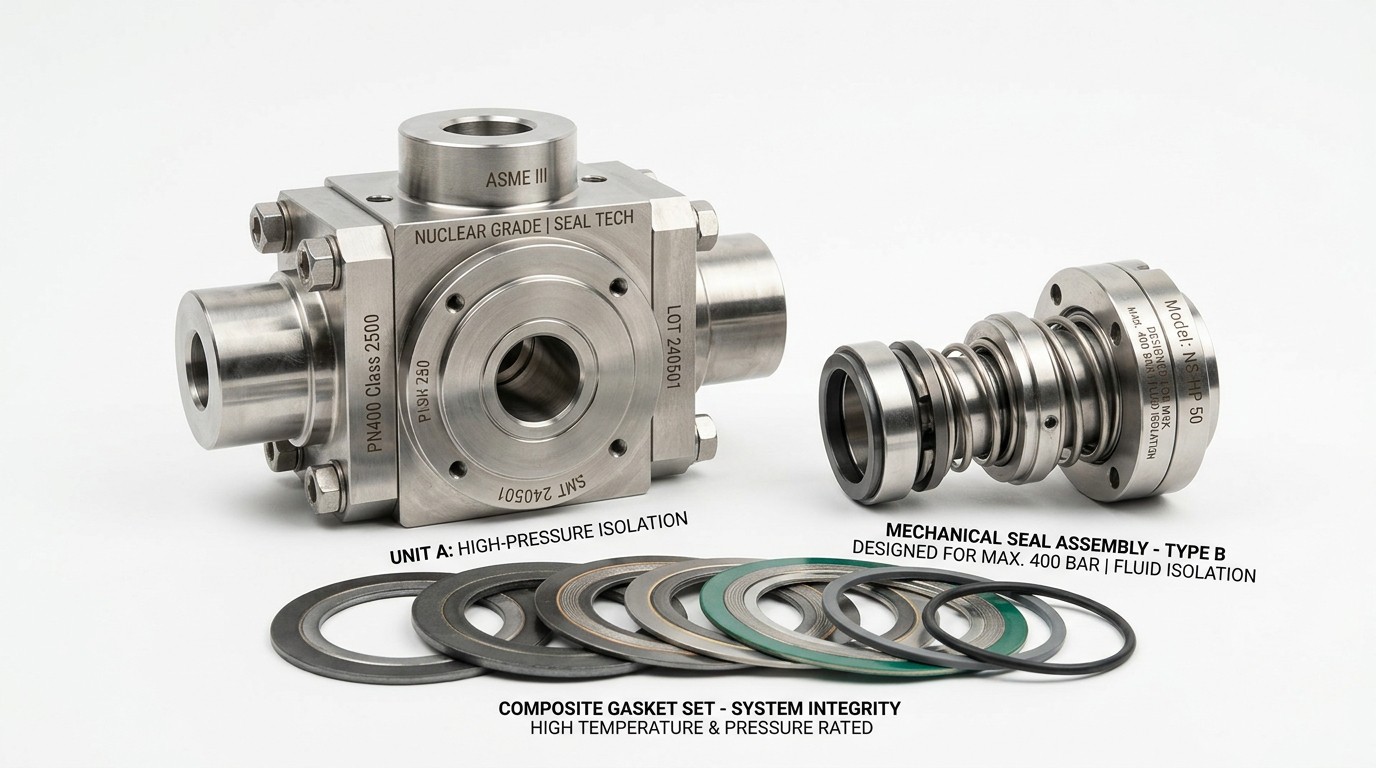
In today’s nuclear and advanced industrial landscape, seal reliability in nuclear power news signals far more than maintenance updates—it reflects the broader evolution of energy containment, critical flow systems, and containment technology. For decision-makers tracking high-performance components, from perfluoroelastomer seals and composite gaskets to ultra-high pressure valves, understanding these developments is essential to managing risk, compliance, and long-term system integrity.
For most readers searching What Seal Reliability in Nuclear Power News Means, the core question is practical: does this news indicate a rising operational risk, a change in procurement priorities, or a broader shift in how critical sealing systems are specified and managed? The short answer is yes. In nuclear environments, seal reliability news is rarely just about one component failure or one maintenance event. It often points to larger issues in safety margin management, material selection, lifecycle cost, outage planning, regulatory scrutiny, and supplier qualification.
For information researchers and business decision-makers, the real value lies in knowing how to interpret these signals correctly. Not every headline means a systemic problem, but recurring seal-related news usually highlights one of three things: aging infrastructure, harsher duty cycles, or a mismatch between sealing technology and actual operating conditions.
Why seal reliability news matters beyond maintenance headlines
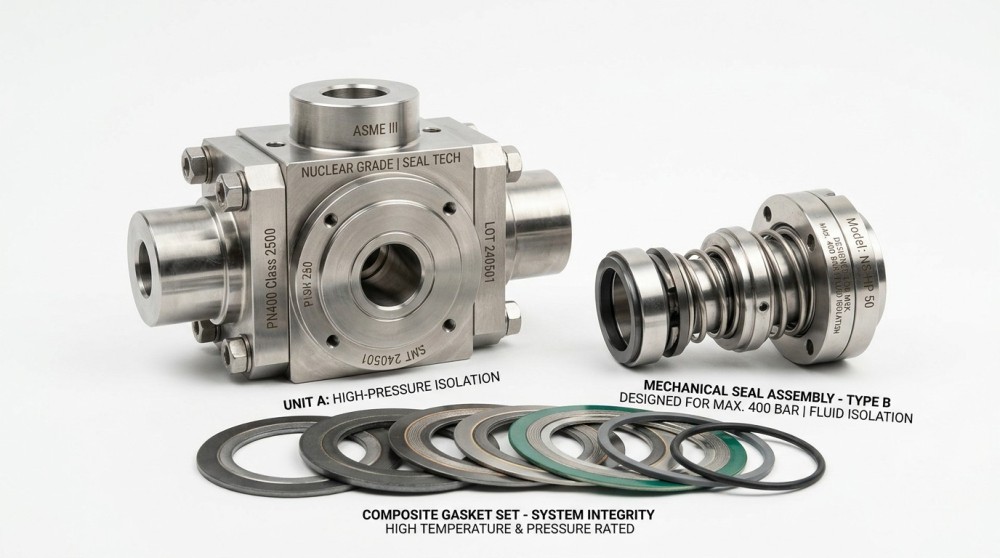
Seal reliability in nuclear power matters because seals sit at the boundary between controlled and uncontrolled environments. They support containment, pressure integrity, fluid isolation, chemical resistance, and system stability. When nuclear power news mentions seal performance, it often reflects the health of a much larger reliability framework.
In practical terms, seal-related news can signal:
- Potential vulnerabilities in critical pumps, valves, actuators, heat exchangers, and containment-related interfaces
- Higher maintenance frequency or unplanned outage exposure
- Material degradation under radiation, thermal cycling, pressure fluctuation, or aggressive chemicals
- Increased regulatory attention on preventive maintenance and component qualification
- A shift toward more advanced sealing materials, testing standards, and monitoring methods
For executives and procurement leaders, this means seal reliability is not a niche engineering issue. It is a business continuity issue tied to asset availability, safety reputation, compliance cost, and long-term capital planning.
What target readers usually want to know when they see nuclear seal reliability reports
Readers in research and decision-making roles are usually not looking for a basic definition of a seal. They want to understand whether the news affects asset strategy, supplier decisions, and risk exposure.
The most common concerns include:
- Is the issue isolated or systemic? A single incident may relate to installation error, but repeated reports can point to design, material, or maintenance process weaknesses.
- Which systems are most affected? Mechanical seals, gaskets, valve seals, and polymer sealing elements all fail differently and create different operational consequences.
- What are the cost implications? Seal failures can trigger leakage, contamination risk, efficiency loss, forced downtime, and expensive inspection cycles.
- Does this change sourcing strategy? News around seal reliability may justify moving toward higher-grade materials, dual-source qualification, or stricter acceptance testing.
- What does it mean for compliance and audit readiness? In highly regulated sectors, documented sealing integrity is part of the broader reliability and safety case.
This is why the best interpretation of nuclear power seal reliability news is strategic rather than purely technical. The question is not just “did a seal fail?” but “what does this tell us about system resilience and future decision-making?”
How to interpret seal reliability in nuclear power from a risk and procurement perspective
From a business perspective, seal reliability news should be evaluated through four filters: criticality, failure mode, lifecycle impact, and recoverability.
1. Criticality of application
A seal in a non-critical auxiliary system does not carry the same consequence as a seal in a primary coolant support system, high-integrity valve assembly, or containment-adjacent subsystem. Decision-makers should first identify where the component sits in the operational hierarchy.
2. Failure mode and operating environment
Different nuclear environments create different stress profiles. Key variables include:
- Radiation exposure
- Temperature extremes and thermal cycling
- Pressure spikes and vibration
- Chemical compatibility with coolants, cleaning agents, or process media
- Long service intervals with limited maintenance access
Seal reliability news becomes more significant when these factors combine, because minor material limitations can become major reliability events under compounded stress.
3. Lifecycle and outage impact
A sealing component may be low in unit price but high in operational consequence. If failure leads to inspection shutdowns, decontamination procedures, secondary component damage, or restart delays, the total cost of ownership rises sharply.
4. Recoverability and supplier responsiveness
If a seal issue occurs, how quickly can the system recover? Can the part be replaced during routine maintenance, or does it require a major outage? Is the supplier able to provide traceability, qualification documents, and root-cause support? These are often more important than nominal part cost.
Which seal technologies and materials are drawing the most attention
In nuclear and adjacent high-integrity industries, not all seals are equal. Reliability discussions increasingly focus on how advanced materials perform under extreme environmental conditions.
Areas receiving particular attention include:
- Perfluoroelastomer (FFKM) seals for aggressive chemical resistance and temperature stability in selected support environments
- Engineered composite gaskets where dimensional stability and media compatibility are essential
- Extreme-environment mechanical seals for rotating equipment where leakage control and durability are mission-critical
- Specialized polymer sealing systems designed for low outgassing, long service life, or resistance to degradation mechanisms
- High-performance valve sealing interfaces in systems where pressure control and tight shutoff are directly linked to safety and efficiency
For industries covered by advanced technical intelligence platforms such as G-PCS, this trend is important because it connects nuclear power with a broader world of containment engineering. The same logic used in semiconductor, aerospace, microwave energy, and ultra-high pressure control systems increasingly informs how reliability is evaluated in nuclear applications: precision, qualification, traceability, and proven performance under extreme conditions.
What seal reliability news may indicate about broader industry change
When seal reliability becomes a recurring topic in nuclear power news, it often reflects structural change in the industry rather than random maintenance noise.
These changes may include:
- Aging fleet pressure: older assets demand better sealing strategies as original materials approach design-life limits
- Higher performance expectations: plants are under pressure to improve uptime, efficiency, and safety documentation simultaneously
- Stronger regulatory oversight: reliability evidence and component traceability are receiving greater scrutiny
- More selective supplier qualification: buyers increasingly prefer suppliers that can support standards alignment, testing data, and application-specific engineering
- Convergence with advanced industrial practices: predictive maintenance, digital diagnostics, and data-backed component benchmarking are becoming more relevant
For business leaders, this means seal reliability is becoming a marker of operational maturity. Plants and suppliers that treat sealing as a strategic reliability discipline are more likely to reduce unplanned downtime and strengthen long-term asset performance.
How decision-makers can use this information to make better judgments
If you are evaluating seal reliability in nuclear power news for strategic purposes, focus on decision quality rather than headline volume. A useful evaluation framework includes the following questions:
- Was the reported issue tied to design limitation, material incompatibility, maintenance error, or unexpected service conditions?
- How critical was the affected system to safety, uptime, or regulatory compliance?
- Are there repeated reports involving similar seal classes, materials, or operating environments?
- Does your current supplier base provide enough documentation on testing, standards, and field performance?
- Would investing in higher-grade sealing technology reduce lifecycle cost despite higher upfront pricing?
- Do your specifications reflect real operating conditions, or only nominal design assumptions?
These questions help organizations move from reactive interpretation to proactive risk management. For procurement directors, this can improve sourcing resilience. For R&D and engineering leaders, it can sharpen qualification criteria. For executive stakeholders, it offers a clearer view of where small components create outsized operational exposure.
Conclusion: what seal reliability in nuclear power news really means
Seal reliability in nuclear power news means far more than component wear or isolated maintenance events. It is a signal about containment discipline, system integrity, material fitness, and the reliability culture of critical infrastructure. For informed readers, the main takeaway is clear: sealing performance should be assessed as a strategic indicator of risk, cost, compliance, and long-term operational stability.
In a world where the most sensitive industrial systems depend on precise control of pressure, flow, and environmental isolation, even small sealing components can carry major consequences. The organizations that interpret this news well will be better positioned to improve uptime, validate suppliers, reduce failure exposure, and make smarter investments in high-performance containment technology.
Industry Briefing
Get the top 5 industry headlines delivered to your inbox every morning.