Hydrogen Compatible Valves: Key Leakage and Material Checks
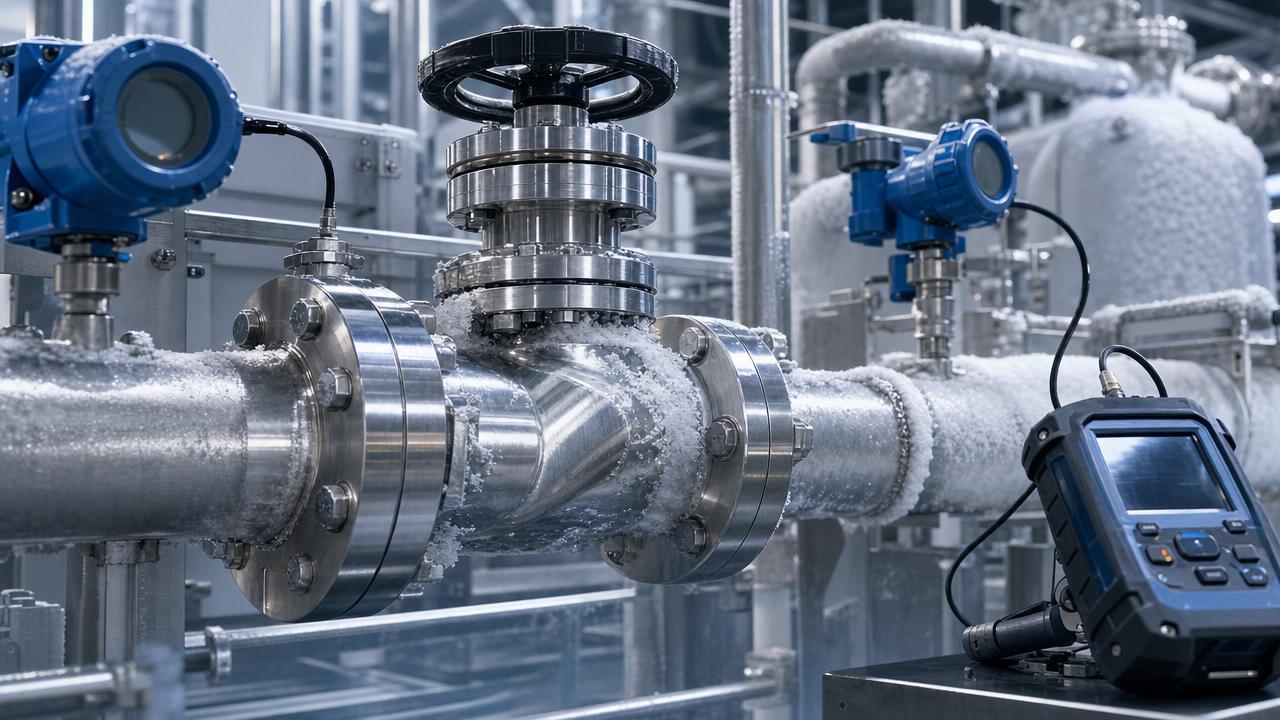
Why hydrogen compatible valves need scenario-based checks
Hydrogen compatible valves are critical to safety, leak prevention, and long-term system reliability in high-risk industrial environments.
Leak paths that seem manageable in natural gas or nitrogen can become unacceptable in hydrogen service.
Its tiny molecules, fast diffusion, and broad flammability range raise the consequence of small sealing failures.
That is why hydrogen compatible valves must be evaluated by actual service scenario, not by generic pressure rating alone.
A reliable approval process combines leakage control, material verification, actuation behavior, and standard-based documentation checks.
In complex industrial systems, these checks also protect uptime, certification readiness, and lifecycle cost.
Different hydrogen service scenarios create different valve risks
The term hydrogen compatible valves covers very different operating realities.
A 700 bar fueling valve, a low-pressure electrolyzer isolation valve, and a cryogenic transfer valve do not fail in the same way.
Pressure cycling, purity requirements, ambient exposure, and shutoff frequency all change what must be checked first.
Scenario-based review prevents overreliance on one data sheet line, such as body pressure class or seat material name.
The better approach is to identify where hydrogen escapes, what degrades over time, and what conditions accelerate both.
Core questions before any selection or inspection
- Is the valve required for bubble-tight shutoff, fugitive emission control, or both?
- Will hydrogen be dry, wet, high-purity, blended, or contaminated by process byproducts?
- Are pressure cycles, rapid fills, or thermal swings expected?
- Do metallic parts face hydrogen embrittlement risk?
- Can seals maintain compression and low permeation across service life?
Typical applications where hydrogen compatible valves must be judged differently
High-pressure storage and fueling systems
This scenario places the highest focus on pressure containment, fast cycling, and external leakage control.
Hydrogen compatible valves here should be checked for seat tightness after repeated pressure pulses, not only initial factory tests.
Stem sealing performance matters because dynamic motion can create micro-paths under repeated operation.
Material checks must include high-strength alloys, hardening condition, and susceptibility to hydrogen-assisted cracking.
Electrolyzer balance-of-plant and purification lines
These systems often operate at lower pressure, but demand cleaner media control and stable long-duration sealing.
Hydrogen compatible valves in this setting should be checked for internal cleanliness, dead volume, and compatibility with moisture.
Some elastomers perform differently when exposed to wet hydrogen, oxygen traces, or cleaning residues.
Inspection should confirm that seal compounds are identified by grade, not by generic polymer family only.
Cryogenic liquid hydrogen transfer and vent management
Cryogenic conditions add contraction, brittleness, and thermal shock concerns.
Hydrogen compatible valves for liquid hydrogen service need validation for low-temperature sealing, not room-temperature hydrogen alone.
Packing, seat inserts, and body-to-bonnet interfaces should be reviewed for differential thermal movement.
A valve suitable for gaseous hydrogen may still fail during cold start, warm-up, or boil-off cycling.
Semiconductor, laboratory, and ultra-clean gas handling
In ultra-clean systems, leak rate is only one requirement.
Particle generation, outgassing, surface finish, and purge response also determine whether hydrogen compatible valves are acceptable.
Electropolished flow paths and metal-seated or diaphragm designs may be preferred where contamination limits are strict.
Documentation should include cleaning protocol, helium leak test method, and traceable material records.
Key leakage checks that reduce failure risk in hydrogen service
Leakage review should separate internal leakage from external leakage.
Both matter, but they affect safety, process control, and maintenance planning differently.
External leakage pathways
- Stem packing or dynamic stem seals
- Body-bonnet gasket interfaces
- Threaded or compression end connections
- Instrument ports, plugs, and adapters
- Actuator penetrations and accessory fittings
Internal leakage pathways
- Seat wear after cycling
- Soft-seat permeation or extrusion
- Seal relaxation under temperature change
- Contamination preventing full closure
For hydrogen compatible valves, helium leak testing is commonly used because helium reveals very small leakage paths.
However, the acceptance limit, test pressure, and direction of testing must match the service scenario.
A valve can pass a bench test and still underperform after rapid pressure cycling or thermal exposure.
Cycle testing, pressure-hold testing, and post-cycle leak retesting provide a more realistic approval basis.
Material checks that matter most for hydrogen compatible valves
Material compatibility is not limited to whether a metal or seal survives brief exposure.
The question is whether performance remains stable across pressure, time, motion, and temperature.
Stainless steel is common, but grade selection still matters.
Cold-worked parts, springs, and fasteners can have different hydrogen behavior than the valve body.
For nonmetallic parts, focus on permeation, compression set, explosive decompression resistance, and cleaning compatibility.
Hydrogen compatible valves should include traceable records for wetted metals, seals, lubricants, and coatings.
How requirements differ across industrial settings
The table below helps compare the most important checks by operating context.
Practical fit-for-service advice before release or purchase
- Define the exact hydrogen state, pressure range, and temperature window first.
- Request leak test data before and after representative cycling.
- Verify exact seal compounds, not only elastomer family names.
- Check all wetted and stressed metallic parts for hydrogen suitability.
- Review connection style because adapters often become the real leak source.
- Confirm cleaning level and contamination limits for high-purity applications.
- Align valve certification data with ISO, API, SEMI, or project-specific requirements.
Common mistakes when evaluating hydrogen compatible valves
One common error is assuming that any valve tested with helium is automatically suitable for hydrogen duty.
Another is focusing on body strength while ignoring stem packing, seat recovery, and connection integrity.
Many reviews also overlook maintenance conditions, such as field assembly torque, seal replacement parts, or cleaning changes.
Hydrogen compatible valves can fail because of small specification gaps, not obvious design flaws.
The highest reliability comes from matching valve evidence to the exact application scenario.
Next-step checklist for safer valve decisions
Start with a short approval checklist built around leakage path, material set, operating profile, and required documentation.
Then compare candidate hydrogen compatible valves against those scenario-specific checks, not against marketing claims.
When uncertainty remains, ask for cycle testing, low-temperature validation, or compound-level compatibility evidence.
This disciplined method reduces leak risk, supports compliance, and improves long-term service confidence for hydrogen compatible valves.
Industry Briefing
Get the top 5 industry headlines delivered to your inbox every morning.