Sub-Nanometer Fabrication: Sealing Choices That Protect Yield
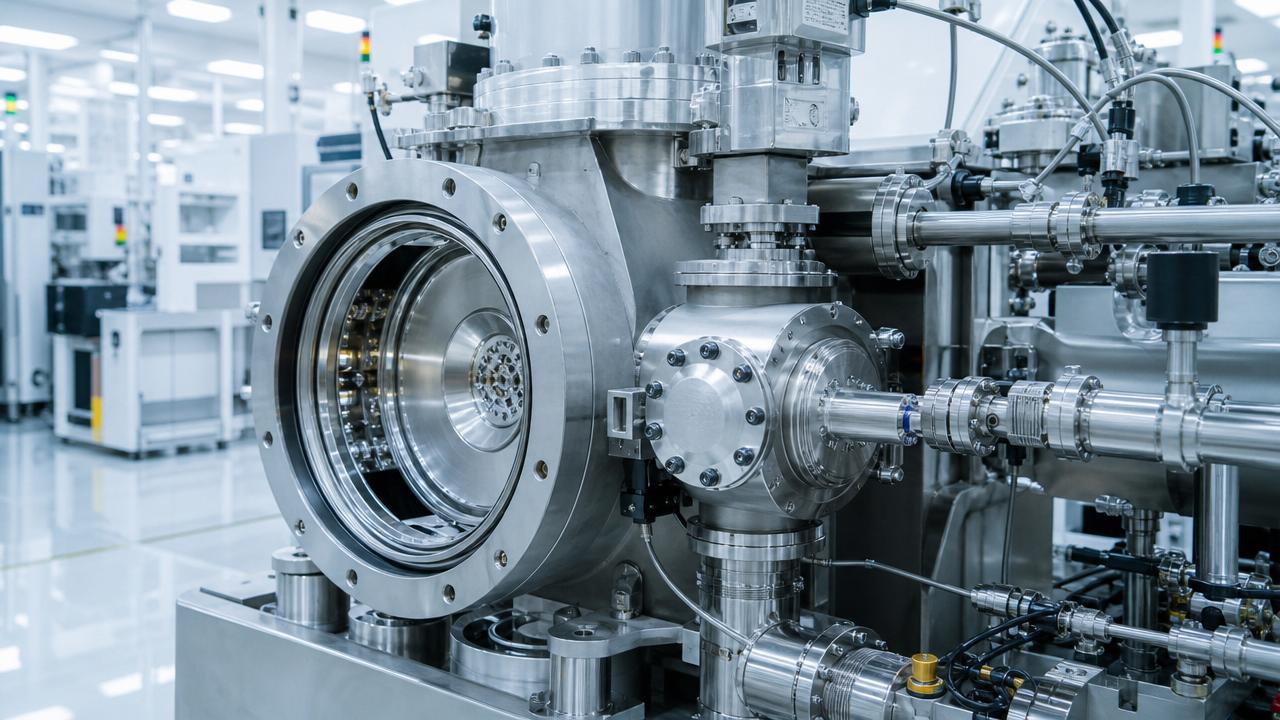
In sub-nanometer fabrication, yield is often won or lost at the sealing interface. For project managers and engineering leads, the right sealing choice is not just a component decision—it is a control strategy for contamination, pressure stability, thermal resilience, and uptime. This article examines how specialized sealing solutions help protect process integrity and reduce costly variability in advanced manufacturing environments.
What makes sealing so critical in sub-nanometer fabrication?
Sub-nanometer fabrication compresses tolerance, chemistry, and timing into an unforgiving operating window. Tiny leaks, outgassing events, or particle release can shift process conditions fast.
At this scale, seals do more than contain media. They stabilize pressure, isolate reactive gases, protect vacuum integrity, and reduce transient variation during critical process steps.
A weak sealing interface can trigger drift in etch rate, deposition uniformity, chamber cleanliness, or thermal balance. The result is lower yield and harder root-cause analysis.
In sub-nanometer fabrication, repeatability matters as much as absolute performance. A seal that performs well once, but ages unpredictably, becomes a process risk.
This is why advanced facilities evaluate sealing as part of contamination control and equipment reliability, not as a low-level maintenance item.
Key sealing functions that directly affect yield
- Preventing gas leakage and air ingress
- Reducing particles from wear, compression set, or chemical attack
- Maintaining stable vacuum and pressure response
- Resisting plasma, solvents, heat cycling, and aggressive cleans
- Supporting predictable maintenance intervals
Which sealing failures most often damage sub-nanometer fabrication yield?
The most visible failure is leakage, but many yield losses begin earlier. Material degradation, micro-cracking, and outgassing often appear before a measurable leak develops.
In sub-nanometer fabrication, even low-level contamination can alter line edge roughness, film adhesion, or chamber seasoning behavior. These shifts are subtle but expensive.
Another common issue is compression set. When a seal loses elastic recovery, clamping loads become inconsistent and thermal cycling causes unstable sealing performance.
Chemical incompatibility also creates hidden costs. Reactive fluorine chemistries, ozone, solvents, and high-temperature cleans can embrittle standard materials quickly.
Poor surface finish matching is another overlooked source of trouble. A high-grade seal cannot compensate for gland geometry, flange distortion, or roughness mismatch.
Common failure patterns to watch
How should sealing materials be selected for sub-nanometer fabrication environments?
Material selection begins with the process envelope, not the catalog. Media chemistry, temperature, pressure cycling, plasma exposure, and cleaning routines must be mapped first.
For many sub-nanometer fabrication tools, high-purity perfluoroelastomer compounds are chosen because they balance chemical resistance, thermal stability, and low contamination behavior.
However, not all FFKM grades perform equally. Fillers, curing systems, and formulation targets can change plasma resistance, extractables, and compression set dramatically.
PTFE-based and composite gasket solutions may suit static sealing points with aggressive chemistry. Metal seals may support ultra-clean or extreme-temperature interfaces where elastomers struggle.
Selection should also include installation behavior. A theoretically superior material may fail if it twists, nicks, or requires impractical handling in routine maintenance cycles.
A practical material selection checklist
- Define gas, vapor, plasma, and cleaning chemical exposure
- Set thermal peaks and cycling frequency
- Confirm vacuum level and pressure response requirements
- Review particle, extractable, and outgassing limits
- Validate gland design and assembly repeatability
- Compare life under actual maintenance intervals
How do sealing design and hardware details influence process stability?
In sub-nanometer fabrication, material choice alone is never enough. The seal, groove, flange, compression ratio, and hardware alignment must operate as one engineered system.
Excess squeeze can accelerate wear and particle generation. Too little squeeze increases leak risk and reduces robustness during thermal expansion or pressure changes.
Surface finish matters because sealing contact must stay uniform. Rough surfaces can cut elastomers, while overly smooth finishes may reduce frictional stability in some interfaces.
Dead legs and trapped volumes should also be minimized. They can hold residues, delay purge response, and increase contamination during chemistry switches.
For dynamic assemblies, actuator speed and stroke consistency affect seal wear. In high-cycle modules, friction and heat build-up deserve early validation.
Design factors that deserve early review
- Compression ratio and gland fill
- Flange flatness and bolt load distribution
- Thermal expansion mismatch
- Vacuum compatibility and trapped volume control
- Ease of inspection and replacement
What trade-offs matter most when balancing yield, uptime, and cost?
The lowest part price rarely delivers the lowest ownership cost. In sub-nanometer fabrication, one excursion can exceed the savings from many cheaper seal replacements.
A more resilient sealing solution may extend preventive maintenance windows, reduce chamber cleans, and improve process repeatability. Those gains often outweigh unit price differences.
Lead time and qualification effort also matter. A new material may look attractive, but qualification delays can disrupt change control and operational planning.
The right decision usually balances four factors: contamination risk, service life, process compatibility, and replacement complexity. Cost should be evaluated across this full framework.
What mistakes should be avoided when upgrading seals in sub-nanometer fabrication?
One common mistake is treating all high-end compounds as interchangeable. In sub-nanometer fabrication, small formulation differences can produce large process differences over time.
Another mistake is qualifying only for initial leak tightness. Long-duration exposure, plasma attack, thermal aging, and cleaning cycles must be included in validation.
Teams also underestimate installation variables. Contamination from handling, lubrication choices, and inconsistent torque patterns can distort results during pilot runs.
Finally, documentation gaps create recurring issues. Material traceability, lot consistency, and standard work instructions are essential for stable sub-nanometer fabrication performance.
FAQ quick-reference table
Protecting yield in sub-nanometer fabrication requires more than premium parts. It requires a disciplined sealing strategy grounded in material science, hardware fit, and process reality.
The strongest results usually come from reviewing failure modes, qualifying under real chamber conditions, and aligning sealing choices with contamination and uptime targets.
For any critical interface, document the process envelope, compare seal options by total ownership impact, and validate repeatability before full deployment. That is how sealing choices protect yield.
Industry Briefing
Get the top 5 industry headlines delivered to your inbox every morning.