How to Improve Seal Reliability in Extreme Environments
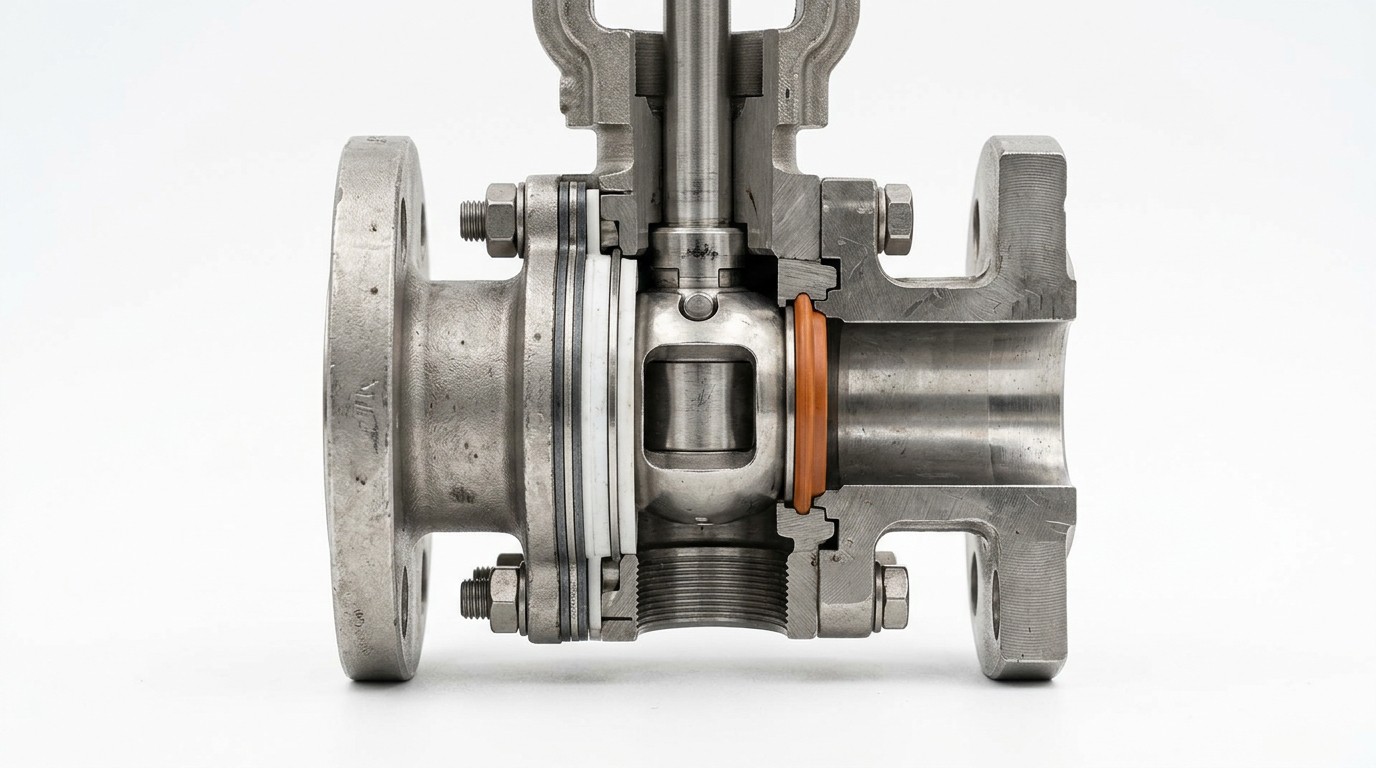
In extreme operating conditions, seal reliability is not just a maintenance issue—it is central to energy containment, critical flow systems, and the long-term performance of high-performance components. From extreme-environment seals and perfluoroelastomer seals to hydrogen compatible valves and composite gaskets, engineers and decision-makers need containment technology that withstands pressure, heat, corrosion, and regulatory scrutiny.
Why seal reliability fails first in extreme environments
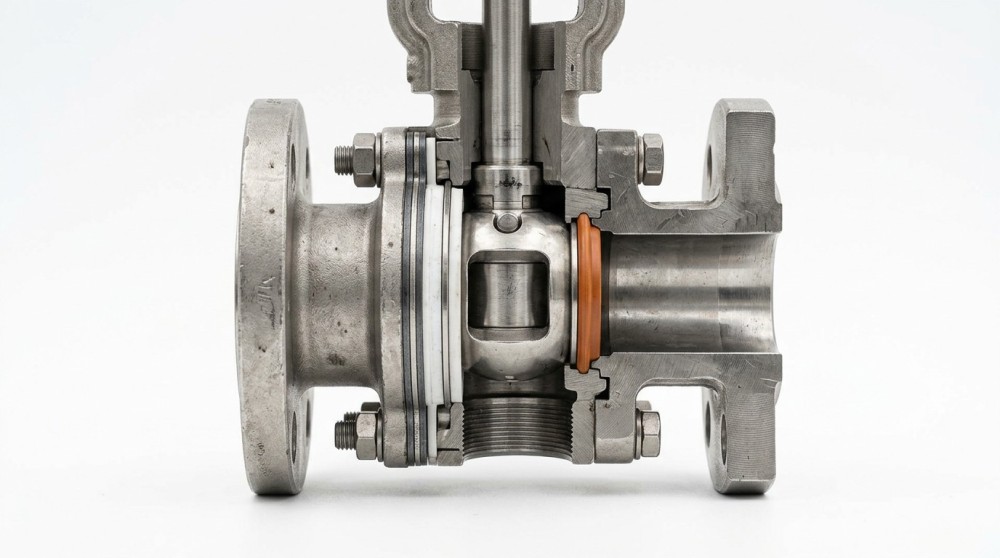
Seal failure in harsh duty is rarely caused by one factor alone. In most industrial systems, leakage starts when pressure cycling, thermal shock, media incompatibility, vibration, and installation tolerance stack together. A seal that performs well at ambient conditions can degrade quickly when exposed to cryogenic swings, continuous temperatures above 200°C, aggressive solvents, or repeated pressure ramps from vacuum to high-pressure service.
For information researchers and enterprise decision-makers, the key issue is not only material performance. The larger challenge is matching seal design to the containment logic of the system. In UHP control lines, RF and microwave assemblies, semiconductor process modules, and hydrogen-compatible flow paths, even a small mismatch in compression set resistance or permeation behavior can trigger downtime, contamination, or safety review.
A practical evaluation usually starts with 4 variables: media type, operating temperature range, pressure profile, and maintenance interval. In many B2B projects, the real operating window is wider than the original specification sheet suggests. A system listed for 10 bar may see transient spikes far above that level, while a nominal 150°C process may include short peaks during sterilization, purge, or cleaning cycles.
This is why G-PCS frames seal reliability as part of a larger decision chain that includes valve geometry, gasket backup strategy, actuator response, and applicable standards such as ISO, API, SEMI, or MIL-SPEC references. In extreme environments, the best seal is not the most expensive one. It is the one validated against the real containment risk over a defined service life, often 6–24 months depending on process severity.
- Thermal stress: repeated expansion and contraction can reduce contact force and accelerate cracking or hardening.
- Chemical attack: acids, plasma byproducts, fuels, steam, and solvents can swell or embrittle elastomers and composites.
- Pressure dynamics: static pressure is only part of the picture; pulsation, decompression, and surge are often more damaging.
- Assembly tolerance: groove finish, squeeze ratio, and mating surface flatness directly influence leakage rate and seal life.
Which seal technologies fit which extreme operating scenario?
Different extreme environments demand different sealing strategies. Perfluoroelastomer seals are often selected for aggressive chemical and high-temperature duty, while PTFE-based or composite gaskets may be preferred where low friction, broad media compatibility, or dimensional stability is more important. Metal-supported designs enter the picture when pressure containment and creep resistance must remain stable over long service intervals.
Selection should always be scenario-based rather than brand-led. A semiconductor chamber, a hydrogen-compatible valve, and an industrial microwave energy system may all use “high-performance seals,” yet the failure modes differ substantially. One application may be dominated by plasma chemistry, another by permeation, and another by flange distortion under thermal cycling. That is why comparing material labels alone is not enough.
A useful procurement lens is to divide the field into 3 categories: elastomeric seals for flexibility and compression, engineered polymer seals for chemical and friction control, and composite or metal-assisted gaskets for dimensional stability under heavy load. In projects with 2–4 week qualification windows, this structure speeds up technical review and supplier alignment.
The table below helps connect common extreme-environment requirements with practical seal options. It is not a substitute for full testing, but it provides a strong first-pass matrix for R&D, sourcing, and reliability teams comparing alternatives.
The comparison shows why procurement teams should ask for application-specific validation, not just a material data sheet. In high-value assets, a lower-cost seal that requires unscheduled replacement every 3–6 months can become more expensive than a premium option validated for longer service, reduced contamination risk, and fewer line interruptions.
How to compare FFKM, PTFE-based, and composite sealing options
FFKM is often considered when chemical resistance and elevated temperature stability are both priorities. PTFE-based solutions are attractive where low friction and broad compatibility matter, but they may require design support to manage creep or seal load retention. Composite gaskets can provide stronger dimensional control in bolted interfaces and harsh thermal environments where shape retention matters as much as media resistance.
The right answer depends on the interface. Static flanges, dynamic shafts, valve seats, and micro-precision pneumatic chambers all load the seal differently. In many critical systems, teams should evaluate 5 checkpoints: media exposure, peak temperature, cycling frequency, acceptable leakage threshold, and surface finish of mating parts.
What technical parameters matter most before procurement?
For B2B buyers, seal reliability improves when technical review moves upstream. Instead of purchasing by part name only, decision-makers should confirm the complete operating envelope before RFQ release. At minimum, this means documenting pressure range, temperature range, chemical media, static or dynamic duty, expected run hours, and maintenance target. A missing parameter often causes more risk than an imperfect material choice.
In practical terms, there are 6 core data points that should be checked before final selection: groove or gland dimensions, compression ratio, media chemistry, cycling rate, cleaning or sterilization exposure, and compliance requirement. This is especially important in projects crossing multiple industrial pillars, such as UHP valves linked to precision actuators or microwave systems paired with high-temperature gasket interfaces.
G-PCS supports this review model by connecting component engineering to containment reliability. That matters when a procurement team must compare several suppliers within 7–15 business days. A structured parameter sheet reduces ambiguity, limits redesign, and helps engineering and sourcing use the same acceptance logic.
The following table can be used as a pre-purchase checklist. It is particularly useful for enterprise buyers dealing with mixed priorities such as price control, qualification speed, and regulatory fit.
When buyers review these parameters early, they can reduce late-stage change requests and make supplier comparison much more objective. This also helps technical intelligence teams identify when a valve, actuator, seal, and gasket should be evaluated as a system rather than as separate line items.
A 4-step procurement workflow for critical sealing projects
- Define the real operating envelope, including startup, cleaning, surge, and shutdown conditions.
- Shortlist 2–3 candidate sealing architectures rather than one material family only.
- Review compliance needs, drawing tolerance, lead time, and sample availability before final RFQ.
- Validate by application test, maintenance target, and failure mode review, not price alone.
Where many sourcing teams lose time
A common delay happens when engineering requests a high-end material but does not specify pressure cycling, allowable leakage, or installation geometry. Procurement then receives quotes that are impossible to compare on an equal basis. In high-value systems, this can extend decision cycles by 2–6 weeks and increase requalification work after installation.
How standards, testing, and compliance improve seal reliability
Seal reliability in extreme environments is closely tied to documentation and verification. In regulated or high-risk sectors, technical fit without compliance fit is not enough. Decision-makers should review whether the sealing solution aligns with relevant ISO, API, SEMI, or MIL-SPEC frameworks, depending on the application. The exact standard will differ by sector, but the discipline of traceability, tolerance control, and test relevance remains constant.
Testing should reflect the real duty cycle. A material certificate may confirm general properties, yet the application may still fail if decompression, media switching, vacuum exposure, or surface finish are not considered. For this reason, many enterprise projects use a 3-stage validation path: material screening, interface review, and system-level trial under representative operating conditions.
G-PCS adds value here by translating cross-industry standards into practical containment decisions. That is particularly important for global teams managing complex sourcing across high-pressure valves, extreme-environment mechanical seals, specialized polymer gaskets, and high-precision actuators. A benchmark-driven approach helps technical leaders avoid under-specifying critical interfaces and over-specifying low-risk ones.
If your sealing program involves cross-border sourcing, the most useful documents usually include 5 elements: dimensional drawing, material declaration, recommended operating range, test context, and inspection criteria at receipt. Without those basics, even a well-selected seal can become a field reliability issue after installation.
- Check whether temperature ratings are continuous, intermittent, or based on ideal lab conditions.
- Confirm whether pressure values refer to static sealing, dynamic motion, or short-duration bursts.
- Review compatibility with cleaning, purge, and storage conditions, not only production media.
- Define incoming inspection points such as dimensions, visual defects, packaging integrity, and traceability records.
Typical compliance questions enterprise buyers should ask
Does the supplier describe test conditions clearly? Are dimensional tolerances consistent with your gland design? Is there enough information to support audit review or customer approval? These questions matter as much as unit price when the seal sits inside a mission-critical valve, microwave assembly, or ultra-clean process module.
Common mistakes, hidden costs, and what decision-makers should do next
The most expensive sealing mistake is often false economy. Buyers may choose a lower-cost part that appears equivalent on paper, only to face leakage, shutdown, emergency maintenance, and qualification delay later. In critical flow systems, the cost gap between two seal options can be minor compared with the impact of one unplanned outage or one failed acceptance review.
Another common error is evaluating the seal independently from surrounding hardware. A hydrogen-compatible valve, a precision actuator, and a composite gasket set may need to be tuned together. When interface materials, clamping load, and motion profile are misaligned, even premium seals can underperform. This system-level view is central to G-PCS and especially relevant for CTOs, R&D leaders, and procurement directors managing high-consequence assets.
A better path is to structure the decision around 3 questions. First, what failure mode is most likely: permeation, thermal aging, chemical attack, or installation loss? Second, what service interval is acceptable: 3 months, 6 months, or 12 months and beyond? Third, which standard, documentation set, or test condition is required before approval? Once those answers are clear, the shortlist becomes much more defensible.
For teams still comparing options, it is useful to request a decision package that covers parameter confirmation, material pathway, lead time range, sample support, and compliance discussion. Typical industrial timelines vary, but early technical clarification can often save 1–3 procurement cycles and reduce field change risk significantly.
FAQ: practical questions before selecting extreme-environment seals
How do I choose a seal for both high temperature and aggressive chemicals?
Start with the actual temperature envelope, not only nominal process temperature. Then map all media, including cleaning chemicals and shutdown exposure. In many cases, buyers compare FFKM, PTFE-based, and composite options. The right choice depends on whether elasticity, chemical stability, or dimensional retention is most critical in your interface.
Are premium seals always worth the higher price?
Not always. Premium materials are justified when failure consequences are high, maintenance windows are limited, or compliance demands are strict. For lower-risk service, a more economical option may work if validated against the real pressure, media, and maintenance cycle. Lifecycle cost is the better measure than initial unit cost.
What should procurement ask suppliers before placing an order?
Ask for operating limits, test context, dimensional tolerance, material declaration, and recommended installation conditions. If the application is critical, also ask about sample support, lead time range, and whether the seal has been considered together with the mating valve, flange, or actuator geometry.
Why do seals fail even when the material grade looks correct?
Because reliability depends on the whole system. Groove design, squeeze, surface finish, cycling rate, media switching, and thermal expansion all matter. A correct material in the wrong geometry or under unreviewed decompression conditions can still fail quickly.
Why choose us for seal reliability decisions in extreme environments
G-PCS is built for organizations that cannot afford vague containment decisions. Our advantage is not limited to one seal type. We connect extreme-environment mechanical seals, specialized polymer and composite gaskets, UHP control and valves, industrial microwave and RF systems, and high-precision actuation into one technical decision framework. That helps enterprise teams evaluate reliability as a system issue rather than a fragmented purchasing task.
If you are planning a new program or correcting a persistent leakage problem, you can consult us on parameter confirmation, material and geometry selection, expected lead time, sample strategy, standards alignment, and quotation comparison. We can also help structure the review around actual pressure range, thermal profile, media exposure, and compliance checkpoints so your engineering and procurement teams move faster with fewer assumptions.
For high-consequence projects, contact us with your operating window, media list, drawing constraints, target service interval, and any ISO, API, SEMI, or MIL-SPEC related requirements. That information is enough to begin a focused discussion on suitable sealing paths, qualification priorities, and sourcing trade-offs without wasting time on generic recommendations.
Industry Briefing
Get the top 5 industry headlines delivered to your inbox every morning.