How Oil & Gas Seal Tenders Signal 2026 Demand
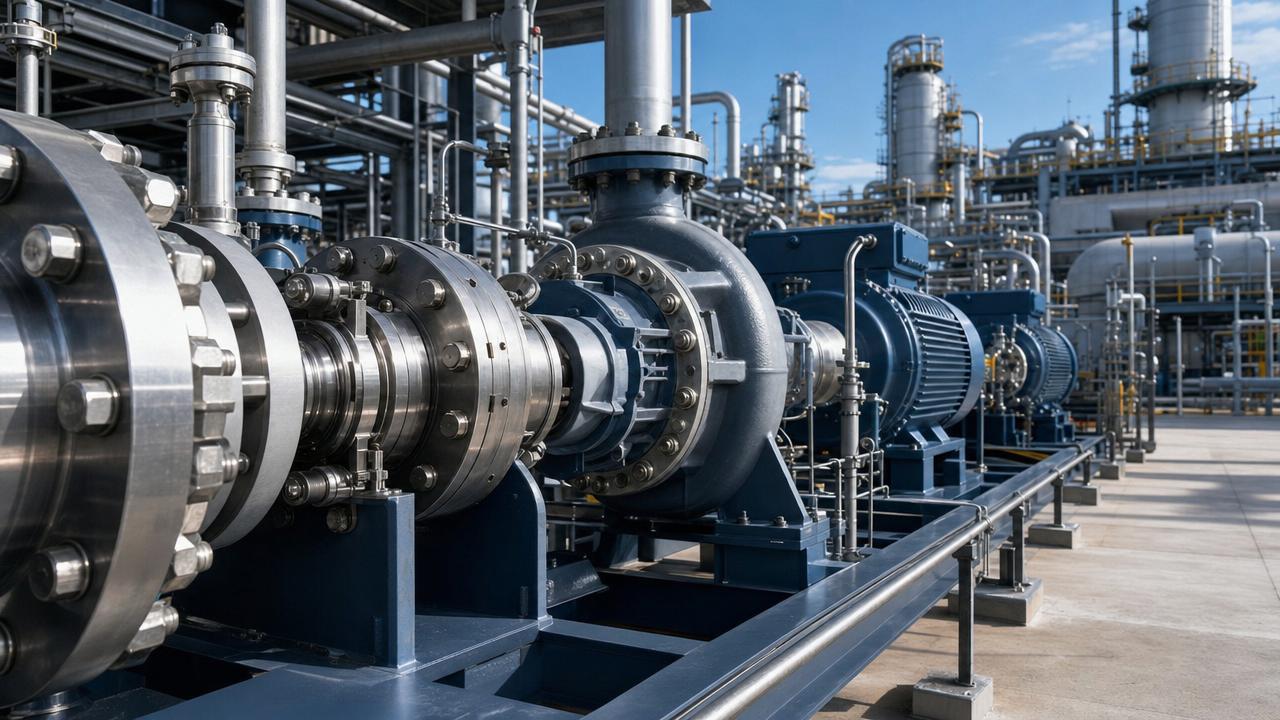
For business evaluators tracking the energy supply chain, mechanical seal tender alerts oil&gas reveal more than routine buying activity. They often indicate where operators expect uptime risk, process expansion, and maintenance spending to rise ahead of reported market growth.
In practical terms, a rise in seal-related tenders can point to new upstream projects, refinery turnaround cycles, gas processing upgrades, and stricter reliability requirements. For companies assessing 2026 demand, tender intelligence is an early signal, not just an administrative document.
The core search intent behind this topic is clear: readers want to know whether oil and gas seal tenders can be used as a forward-looking demand indicator, how to interpret those signals correctly, and what actions to take before the market fully prices them in.
For business evaluators, the most important questions are not about seal basics. They are about timing, signal quality, regional concentration, project type, supplier fit, budget relevance, and the risk of mistaking maintenance noise for structural demand growth.
This article focuses on those practical issues. It explains how tender patterns map to 2026 demand, which tender attributes matter most, where false positives emerge, and how decision-makers can turn procurement signals into more confident market assessments.
Why seal tenders matter as an early demand signal
Mechanical seals sit close to operational reality. They are specified when operators need to protect rotating equipment, control leakage, improve safety, and maintain reliability in pumps, compressors, mixers, and auxiliary systems.
Because of that role, tender activity often appears before broader output statistics or earnings commentary. A buyer may issue tenders months before project execution, shutdown work, or capacity ramp-up becomes visible in standard market reports.
That makes mechanical seal tender alerts oil&gas especially useful for evaluators who need directional evidence early. The tender stream shows where asset owners are preparing to spend, what equipment classes they prioritize, and how urgent the reliability requirement has become.
In oil and gas, seals are rarely isolated purchases. They are linked to pumps, compressors, process skids, sour service upgrades, emissions compliance, refinery turnaround planning, and replacement programs for aging installed bases.
When those procurement notices increase in frequency, complexity, or technical stringency, they often signal more than routine replenishment. They can reflect broader movement in production strategy, plant modernization, and risk management spending.
What business evaluators should actually look for in tender alerts
Not every tender carries the same forecasting value. Business evaluators should focus less on raw tender counts and more on the attributes that indicate scale, urgency, and repeatability of future demand.
The first variable is application context. A tender tied to a new gas processing train or offshore compression package usually has stronger forward-demand value than a single lot purchase for warehouse stock.
The second variable is technical specification depth. Detailed references to API plans, barrier fluid systems, dry gas seal integration, elastomer compatibility, shaft size ranges, pressure classes, or hazardous area requirements often indicate serious engineered demand.
The third variable is procurement structure. Framework agreements, approved vendor list expansions, and multi-site supply contracts are more meaningful than one-off emergency buys because they suggest sustained purchasing behavior into 2026.
The fourth variable is buyer profile. Tenders issued by national oil companies, supermajors, large EPC firms, and top refinery operators deserve greater attention because they often anchor large project pipelines and influence supplier qualification patterns across regions.
The fifth variable is timing relative to maintenance seasons and capital cycles. If seal tenders cluster before expected turnarounds, they may reflect maintenance intensity. If they appear alongside expansion packages, they may signal incremental capacity demand.
How tender patterns can signal 2026 oil and gas demand
To interpret demand correctly, evaluators should map tender alerts into three broad categories: expansion demand, integrity demand, and compliance-driven demand. Each category suggests a different revenue profile and different market durability.
Expansion demand comes from new facilities, debottlenecking, brownfield upgrades, LNG infrastructure, and gas processing additions. Seal tenders in these cases usually accompany larger capital programs and can lead to follow-on aftermarket demand.
Integrity demand is linked to aging assets, repeated equipment failure, corrosion exposure, and operating envelope changes. These tenders are often tied to replacement cycles, reliability upgrades, and efforts to reduce unplanned shutdowns.
Compliance-driven demand reflects emissions control, fugitive leakage reduction, stricter HSE expectations, and process containment standards. This demand can grow even when commodity markets are mixed because regulation and risk control still drive spending.
For 2026 forecasting, the strongest signal comes when all three categories overlap. For example, a region investing in gas processing expansion, while also modernizing old refinery assets and tightening leakage standards, creates a deeper and more resilient seal demand base.
Evaluators should also watch whether tenders shift toward higher-specification products. A move from standard replacement seals toward engineered cartridge seals, dual seals, dry gas sealing systems, or exotic material combinations usually indicates greater process severity and larger budget allocation.
Which subsectors are most likely to generate meaningful seal demand
Upstream production remains important, but not all upstream activity creates equal seal demand. Artificial lift systems, produced water handling, injection pumps, crude transfer, and gas compression tend to generate stronger mechanical seal relevance than drilling headlines alone.
Midstream assets deserve close attention. Gas gathering, compression stations, storage terminals, LNG pre-treatment, and pipeline booster systems often require highly reliable sealing performance, especially where uptime and emissions management are critical.
Downstream remains one of the richest areas for interpretable tender activity. Refineries and petrochemical plants operate dense networks of rotating equipment, and their shutdown cycles create concentrated procurement windows that evaluators can track with precision.
Gas processing is especially important for 2026. In many markets, gas monetization, LNG preparation, sulfur recovery, and condensate stabilization projects are attracting investment. These areas typically involve demanding service conditions and a strong need for advanced seals.
Hydrogen-adjacent and low-carbon retrofit projects also matter. While still uneven by geography, some tenders may reflect blending, carbon management, or cleaner fuel processing upgrades that indirectly increase demand for specialized sealing systems.
How to separate routine maintenance noise from true market opportunity
One common mistake is overreading every tender as growth. Many tenders simply support normal maintenance and do not imply meaningful expansion in addressable market size. Good evaluation depends on separating recurring maintenance from structural demand change.
A useful test is repeatability plus escalation. If the same buyer issues multiple tenders over time with broader scope, stricter specifications, or larger vendor qualification requirements, the signal is stronger than a single maintenance-related notice.
Another test is cross-document confirmation. If seal tenders appear alongside pump packages, compressor refurbishment, EPC packages, plant upgrades, or environmental compliance projects, they are more likely to reflect broader budget commitments.
Regional policy context also helps. Tender growth in a region with active energy infrastructure spending, export strategy support, or domestic refining upgrades is more meaningful than isolated buying in a stagnant operating environment.
Supplier language is another clue. Requests emphasizing root-cause failure analysis, lifecycle cost reduction, mean time between repair, or leakage minimization often indicate that the buyer is moving from transactional replacement toward reliability investment.
What tender specifications reveal about buyer priorities
Technical details often carry the best commercial intelligence. When evaluators review tender texts, they should ask what the specification says about process conditions, operational pain points, and the buyer’s expected risk exposure.
Material calls for FFKM, PTFE blends, silicon carbide, tungsten carbide, Hastelloy, duplex alloys, or sour-service compatibility usually point to demanding environments where standard components may have underperformed.
References to API 682, seal support systems, dual pressurized arrangements, dry running resistance, solids handling, thermal management, and emission control suggest a buyer focused on uptime, safety, and regulatory resilience rather than minimum purchase price alone.
Short delivery timelines may indicate unplanned failures or urgent turnaround needs. Longer timelines attached to EPC or package integration often signal project-based demand with higher strategic value and possible aftermarket continuity.
Qualification requirements matter as well. If a tender requires prior oil and gas references, test documentation, QA traceability, and compliance with specific global standards, it may favor specialized suppliers and limit market entry to technically proven vendors.
Regional reading: where 2026 demand signals may appear first
The Middle East remains a key region for reading future demand. Large upstream expansion programs, gas processing investments, and downstream upgrades often create visible tender activity before final market statistics reflect the full spending curve.
North America is different. Tender alerts may be more fragmented, but they can reveal spending on shale-related infrastructure, midstream compression, refinery reliability, and emissions-driven equipment upgrades across a wide installed base.
Asia offers strong signal value where refining, LNG import capacity, petrochemicals, and industrial fuel transitions continue. In these markets, seal tenders can reflect both domestic demand growth and export-oriented industrial strategy.
Africa and Latin America should not be ignored. Project timing is often less linear, but tenders from national operators, offshore developments, and refinery rehabilitation programs can provide early clues to supplier opportunities that are undercovered by mainstream analysts.
For evaluators, regional interpretation should always account for procurement transparency, state ownership patterns, and the tendency for some markets to issue tenders in clusters rather than steady monthly flows.
How to turn mechanical seal tender alerts oil&gas into a practical evaluation model
A useful model starts with tender capture, then moves to classification, scoring, and validation. The goal is not to collect every alert, but to create a repeatable framework that identifies which signals deserve commercial attention.
First, classify each tender by subsector, buyer type, application, and spend rationale. Separate upstream, midstream, downstream, LNG, gas processing, and maintenance-related notices so the demand picture does not become blurred.
Second, score each tender on five dimensions: technical complexity, buyer credibility, project linkage, repeat potential, and strategic fit. This quickly distinguishes low-value noise from indicators of durable 2026 demand.
Third, validate with external data. Compare the tender pattern with project announcements, capital expenditure guidance, turnaround calendars, refinery utilization trends, and regional policy signals. Convergence matters more than any single document.
Fourth, monitor supplier positioning. If certain vendors repeatedly appear in qualification lists or are favored in high-spec applications, that may indicate where technical leadership and pricing power are accumulating.
Fifth, update the model quarterly. Oil and gas procurement can shift quickly with commodity prices, geopolitics, and project schedules. A live evaluation model is far more useful than a static annual market assumption.
What these signals mean for suppliers, investors, and procurement-facing teams
For suppliers, seal tenders provide direct visibility into where engineering resources, certification effort, and sales attention should be deployed. They help prioritize accounts and regions before demand becomes crowded.
For investors and strategic planners, the tender stream offers bottom-up evidence that can confirm or challenge top-down market narratives. It is particularly valuable when public guidance is broad but procurement behavior is specific.
For procurement-facing teams, these alerts reveal changing buyer expectations. If tenders increasingly prioritize reliability, compliance, and lifecycle economics, then low-cost positioning alone may be insufficient to win or retain strategic business.
For business evaluators, the main value lies in signal timing. Tender activity can indicate not only that demand exists, but what type of demand is emerging, how technically demanding it will be, and whether it is likely to persist into 2026.
Conclusion: use tender intelligence as an early demand lens, not a standalone forecast
Mechanical seal tender alerts in oil and gas are one of the most practical early indicators available to business evaluators. They expose where operators are preparing to spend on containment, reliability, expansion, and compliance before those trends are fully visible in aggregated market data.
The best reading of these alerts comes from context, not volume alone. Buyer type, application, technical depth, regional backdrop, and project linkage determine whether a tender reflects routine maintenance or a stronger 2026 demand signal.
For evaluators seeking sharper market judgment, the message is simple: treat mechanical seal tender alerts oil&gas as a structured intelligence source. When analyzed carefully, they can improve timing, reduce uncertainty, and reveal where real commercial momentum is forming.
In a market where reliability and containment increasingly shape capital decisions, seal tenders are no longer minor procurement events. They are early evidence of where critical industrial demand is being built next.
Industry Briefing
Get the top 5 industry headlines delivered to your inbox every morning.