Low Leakage Chemical Seal: Common Failure Causes and Fixes
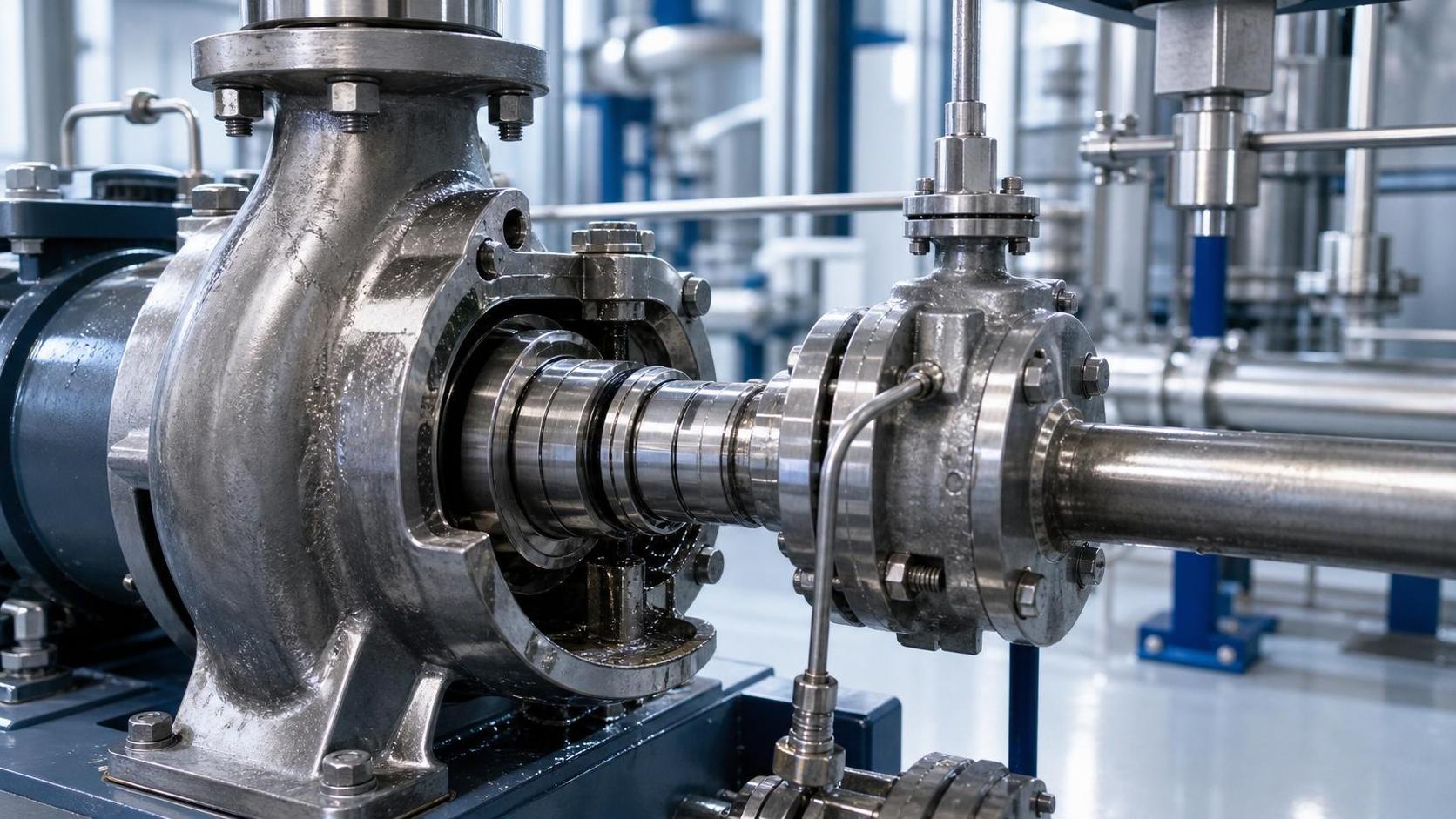
Why does a low leakage chemical seal matter so much in daily operation?
A low leakage chemical seal does more than stop visible drips. It protects process stability, operator safety, product quality, and environmental compliance at the same time.
In chemical dosing skids, valve assemblies, pump systems, and pressure control equipment, even minor leakage can trigger corrosion, contamination, or unplanned shutdowns.
The harder part is that failure rarely starts with one dramatic event. More often, a low leakage chemical seal loses performance through heat, misalignment, media attack, pressure cycling, or installation error.
That is why troubleshooting should focus on root cause, not only replacement. In high-integrity sectors tracked by G-PCS, seal reliability is judged against containment logic, material compatibility, and standard-based operating limits.
A practical question usually follows: if leakage appears, how do you tell whether the problem comes from the seal itself, the hardware, or the process condition around it?
When a low leakage chemical seal starts failing, what are the first signs to check?
Visible leakage is the obvious sign, but it is not the earliest one. A low leakage chemical seal often gives smaller warnings before the leak becomes serious.
- Shiny wetness or residue around the gland, housing, or mating face
- Unexpected odor near the sealed point
- Pressure decay during hold tests
- Higher friction, torque, or actuator load
- Rapid seal hardening, swelling, or cracking after service
In actual field work, surface residue tells an important story. White crystals, sticky films, or dark burn marks often point to different failure paths.
If residue appears after thermal cycling, suspect compression set or face distortion. If swelling appears quickly, media compatibility is usually the better starting point.
A useful habit is to record leakage rate, service hours, media type, pressure range, and recent maintenance history before disassembly. Those details often shorten diagnosis time.
Which failure causes are most common, and how do the fixes differ?
Most low leakage chemical seal problems fall into a small group of recurring causes. The repair approach changes depending on which pattern you see.
This is where many repairs go wrong. A new low leakage chemical seal may fail again if the housing bore is scratched or the shaft runout remains out of tolerance.
For aggressive media, material selection deserves extra attention. FFKM, PTFE-based designs, and specialty composites can solve leakage, but only when matched to temperature, pressure, and cleaning chemistry.
Standards matter here as well. In advanced process systems, ISO, API, SEMI, and MIL-SPEC references help define leakage expectations and test conditions rather than relying on guesswork.
Could the problem be installation, not the seal design?
Very often, yes. A low leakage chemical seal can be correctly specified and still fail early because of handling or assembly mistakes.
The most common issue is surface damage during fitting. Small nicks from tools, sharp edges, or dry assembly can create leakage paths that are hard to see later.
Another frequent cause is incorrect compression. Too little load leaves poor contact. Too much load increases friction, heat generation, and permanent deformation.
Before replacing the next low leakage chemical seal, confirm these points:
- Housing and shaft surfaces are clean and free from burrs
- Lubricant, if used, is compatible with the process media
- Torque values follow the equipment procedure
- Seal orientation matches flow and pressure direction
- No old residue remains inside the groove or chamber
More complex systems add another layer. In UHP valves, RF energy systems, and extreme-environment assemblies, even slight dimensional drift can upset sealing behavior under fast thermal or pressure transitions.
That is why reliable maintenance uses measurement, not visual checks alone. Groove depth, surface finish, concentricity, and compression percentage should be verified whenever repeat leakage appears.
How do you decide whether the media, temperature, or pressure is the real trigger?
A good diagnosis separates chemical attack from mechanical overload. The same low leakage chemical seal may behave well in one line and fail fast in another.
Start with the media itself. Concentration changes, cleaning agents, trace solvents, or process byproducts can shift compatibility even when the main chemical looks unchanged.
Then look at temperature. Many compounds survive short peaks but degrade under long exposure. Hardening, embrittlement, and compression set usually build with time, not instantly.
Pressure should be reviewed as a dynamic value, not only a nameplate number. Pulsation, vacuum cycles, and shock loading can force leakage where steady-state pressure seems acceptable.
A simple field comparison helps:
In other words, the failure pattern often tells you where to start. Replacing the low leakage chemical seal without reviewing process excursions usually delays, rather than solves, the next outage.
What fixes actually extend service life instead of only restoring operation?
The best fix usually combines hardware correction, material review, and process control. One change alone may stop leakage temporarily, but not for long.
Where repeat failures occur, three upgrades deliver the most value:
- Shift to a more suitable material grade for the actual chemical and temperature window
- Correct shaft, bore, or face condition to restore sealing geometry
- Reduce process spikes through dampening, staged pressurization, or cleaner startup routines
It also helps to treat low leakage chemical seal failures as data points. Track time to failure, media batch changes, torque records, and dimensional findings from teardown.
That approach aligns with the G-PCS view of containment and flow. Reliable sealing comes from linking component behavior to the full operating envelope, not from isolated part replacement.
If leakage affects critical lines, establish a short verification routine after reassembly: pressure hold, visual inspection, temperature observation, and a scheduled recheck after the first operating cycle.
What should be reviewed before the next replacement cycle?
Before ordering or fitting another low leakage chemical seal, compare the failed part with actual service conditions, not only the original specification sheet.
Review whether the media changed, whether cleaning chemistry became harsher, whether pressure transients increased, and whether hardware wear has accumulated since the first installation.
Also confirm the target leakage standard. In some systems, the issue is not total failure but a tighter containment requirement than the current design can realistically maintain.
A low leakage chemical seal performs best when material, geometry, installation method, and operating profile are reviewed together. That is usually where durable fixes begin.
For the next step, build a simple failure log, inspect mating hardware during every seal change, and verify material compatibility against real process conditions and applicable standards. That turns repeated leakage into a manageable engineering problem.
Industry Briefing
Get the top 5 industry headlines delivered to your inbox every morning.