API 682 Piping Plans Metrics That Matter During Commissioning
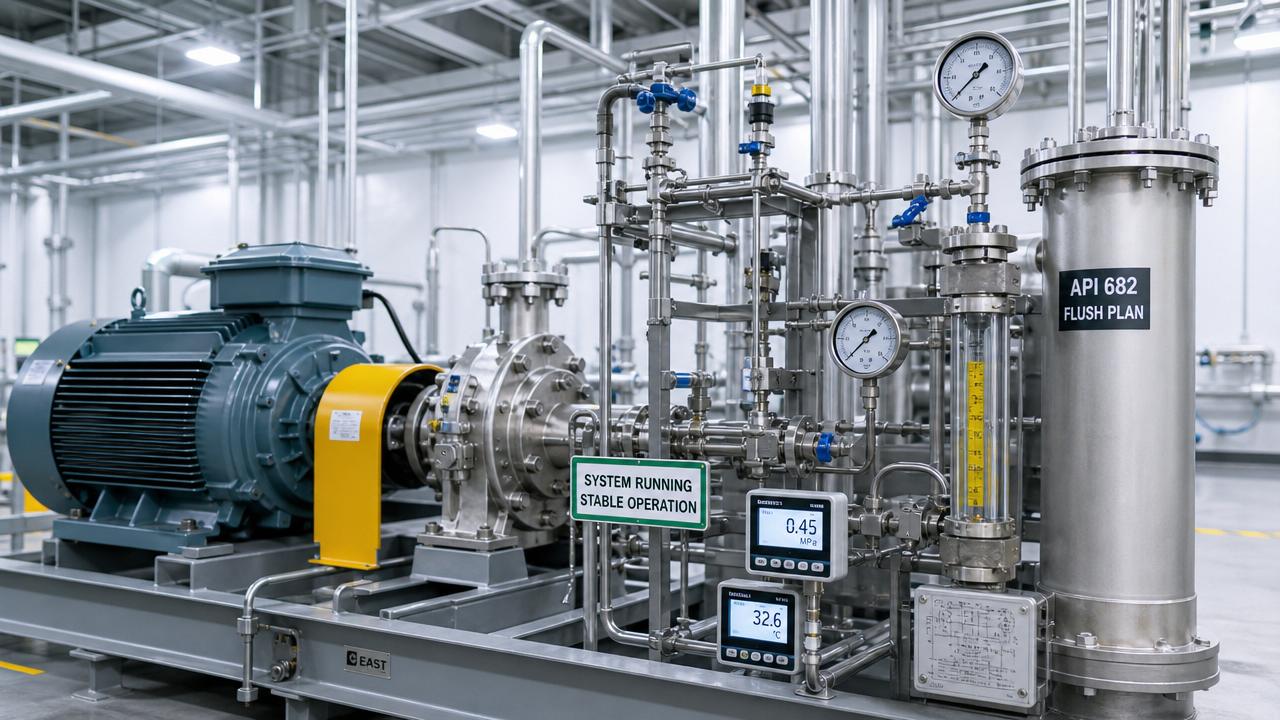
During startup and handover, api 682 piping plans metrics can reveal whether a seal support system is truly ready for safe, stable operation. For operators and commissioning teams, tracking the right values—from pressure and flow to temperature and reservoir condition—helps prevent early seal failures, reduce troubleshooting time, and ensure the system performs as designed from day one.
Why a checklist approach works better during commissioning
Commissioning is where design intent meets actual plant behavior. On paper, an API 682 seal plan may be correct. In the field, however, small deviations in tubing slope, instrument response, flush pressure, barrier fluid level, or cooler performance can create major reliability problems within hours. That is why a checklist-based review of api 682 piping plans metrics is more useful than a purely theoretical review.
For operators, the goal is practical: confirm that each support system can protect the mechanical seal under real startup conditions, upset conditions, and normal operation. For commissioning engineers, the goal is also measurable: identify which readings are acceptable, which trends indicate hidden restrictions or misalignment, and which deviations require immediate correction before handover.
A strong commissioning process therefore starts with a small group of high-value metrics rather than a long list of unrelated numbers. If those core indicators are stable and correctly interpreted, the rest of the plan verification becomes faster and more reliable.
First priority: confirm the metrics that directly protect the seal
Not every reading has the same importance. During startup, the first review should focus on the api 682 piping plans metrics that directly influence seal face lubrication, heat removal, contamination control, and pressure balance. These are the values most closely linked to early leakage and rapid seal damage.
- Pressure differential: Verify the relationship between seal chamber pressure and flush, barrier, or buffer pressure. The exact target depends on the plan, but the pressure hierarchy must match the plan’s operating logic.
- Flow rate: Confirm that flush or circulation flow is present, stable, and aligned with the expected direction. Low or intermittent flow often indicates plugging, air pockets, wrong orifice sizing, or valve lineup errors.
- Temperature: Check process side, seal chamber, outlet, and reservoir temperatures where applicable. A rising trend after startup is often more important than a single static value.
- Fluid level: For reservoir-based plans, ensure the level is correct before startup and remains stable after circulation begins. A sudden drop may indicate leakage, trapped gas release, or incorrect filling procedure.
- Cooling performance: If coolers are installed, confirm inlet and outlet temperatures and whether utility flow is adequate. Poor cooler performance can invalidate otherwise acceptable readings.
- Venting quality: Ensure trapped air or gas has been removed. Many misleading api 682 piping plans metrics result from vapor pockets rather than true hydraulic performance.
Commissioning checklist by metric type
1. Pressure checks
Pressure is often the first metric reviewed, but it must be read in context. A correct gauge value at one point does not prove the entire system is healthy. Operators should compare pressure readings across the support system and confirm that the expected differential exists during actual running conditions, not only during static line charging.
Key checks include instrument zero verification, impulse line condition, blocked valve position, and pressure stability over time. A fluctuating reading may indicate entrained gas, cavitation effects, pulsation, or poor instrument damping. For dual seal systems using barrier fluid, insufficient margin over seal chamber pressure is a critical warning sign and should not be ignored at handover.
2. Flow verification
Among all api 682 piping plans metrics, flow is one of the easiest to assume and one of the easiest to misread. A warm line or open valve does not prove adequate circulation. Teams should verify actual movement of fluid through indicators, differential temperature response, calibrated flow devices, or documented circulation logic.
If flow is below expectation, likely causes include undersized tubing, fouled strainers, incorrect orifice installation, poor venting, or reverse connection. In closed-loop support plans, operators should also watch for unstable flow after the first hour of operation, since debris released during startup can partially block the circuit.
3. Temperature trend review
Temperature should be treated as a trend metric, not just a final reading. A plan may appear acceptable at startup, but a continuous rise in reservoir or gland temperature can reveal poor heat removal, internal leakage, or inadequate circulation. This is especially important when equipment reaches full load, design speed, or process upset conditions.
Operators should record baseline temperature at startup, after stabilization, and after the first operational changes. A stable pattern usually confirms the support system is functioning. A delayed increase often points to cooler underperformance or to a mismatch between plan design and actual process heat load.
4. Reservoir condition and fluid quality
For plans with reservoirs, level alone is not enough. Commissioning teams should also inspect fluid clarity, signs of foaming, contamination, discoloration, and gas release. These visible indicators provide fast field insight that instruments may not capture immediately.
A clean, correctly filled reservoir with stable level and no abnormal pressure variation is a strong sign that the plan is ready. By contrast, cloudy barrier fluid, repeated level changes, or unexplained venting usually means the system still contains air, moisture, contamination, or a hidden leakage path.
How plan type changes which metrics matter most
Different API 682 plans do not fail in the same way. The most useful api 682 piping plans metrics therefore depend on the plan arrangement and service conditions. Operators should adjust their checklist accordingly.
Commonly overlooked items that distort commissioning results
Many startup problems are not caused by the seal itself, but by hidden field issues that make api 682 piping plans metrics appear better than they really are. These items deserve specific attention before final acceptance.
- Air trapped at high points: This can prevent proper circulation and create false pressure behavior.
- Instrument isolation valves left partially closed: Readings may look stable while actual process conditions are not.
- Incorrect tubing slope or unsupported lines: This affects venting, drainage, and long-term reliability.
- Cooler utility not fully available during startup: Initial data may be invalid if cooling water or another service is not at design condition.
- Temporary flushing changes not restored: Startup bypasses and temporary hoses can alter final system performance.
- Wrong barrier or buffer fluid: Viscosity and compatibility issues can change both flow behavior and seal life.
- Alarm setpoints not tested: A healthy system still carries risk if low pressure, low level, or high temperature alarms do not respond correctly.
A practical handover sequence operators can use
To turn data into a reliable handover decision, operators should follow a simple sequence rather than reviewing all readings at once. This improves focus and reduces the chance of missing a critical warning sign.
- Confirm the plan type, intended pressure relationship, and normal operating philosophy.
- Verify line routing, valve lineup, vents, drains, and instrument readiness before rotating equipment starts.
- Record pre-start values for level, static pressure, utility availability, and fluid condition.
- Take early running readings within the first minutes of operation and compare them with expected values.
- Repeat checks after stabilization and after load changes to capture trend behavior.
- Test alarms, local indicators, and operator response steps before sign-off.
- Document unresolved deviations with clear responsibility and closeout timing.
What “acceptable” should mean in the field
A common commissioning mistake is to treat acceptance as a single snapshot. In practice, acceptable api 682 piping plans metrics should meet three conditions. First, the values must align with the plan’s design intent. Second, they must remain stable over time. Third, they must still hold during realistic changes such as load shifts, temperature rise, or utility fluctuations.
If a support system only performs under ideal startup conditions, it is not truly ready for handover. Operators should ask whether the plan can maintain pressure margin, circulation, and cooling after the first upset, not just during the first smooth run. This standard is especially important in critical services where seal failure can affect safety, emissions, product purity, or equipment availability.
FAQ: quick answers on api 682 piping plans metrics
Which metric should be checked first?
Start with the pressure relationship required by the specific plan, then confirm flow and temperature trend. These three usually reveal whether the support system is fundamentally working.
Are visual checks still important if instrumentation is installed?
Yes. Fluid clarity, reservoir foaming, line vibration, poor venting, and cooler condition are often identified visually before instruments show a clear problem.
When should a deviation stop handover?
Stop handover when the seal support system cannot maintain required pressure margin, stable circulation, acceptable temperature behavior, or proven alarm function. These are core reliability conditions, not minor documentation issues.
Final action guide for teams preparing startup or acceptance
The most useful way to manage api 682 piping plans metrics during commissioning is to treat them as decision tools, not just recorded numbers. Focus first on pressure hierarchy, actual circulation, temperature trend, reservoir condition, and alarm readiness. Then confirm that the plan behaves correctly not only at startup, but also after stabilization and operating changes.
If your team needs to confirm plan suitability, startup criteria, troubleshooting priorities, or handover readiness, prepare a short information package before the technical review: plan number, seal type, process fluid, operating pressure and temperature, utility details, observed readings, alarm settings, and any startup deviations already seen. With those details available, it becomes much easier to judge fit, identify risk, and decide what should be corrected before full operation begins.
Industry Briefing
Get the top 5 industry headlines delivered to your inbox every morning.